

- Details
- Category: Museum Sections

Presentation of the Project : History of Badrood through its Ethnic Dolls
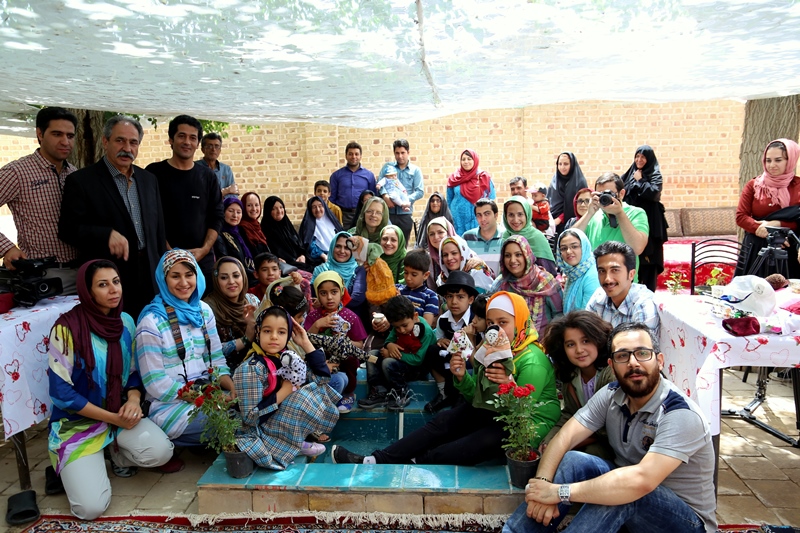
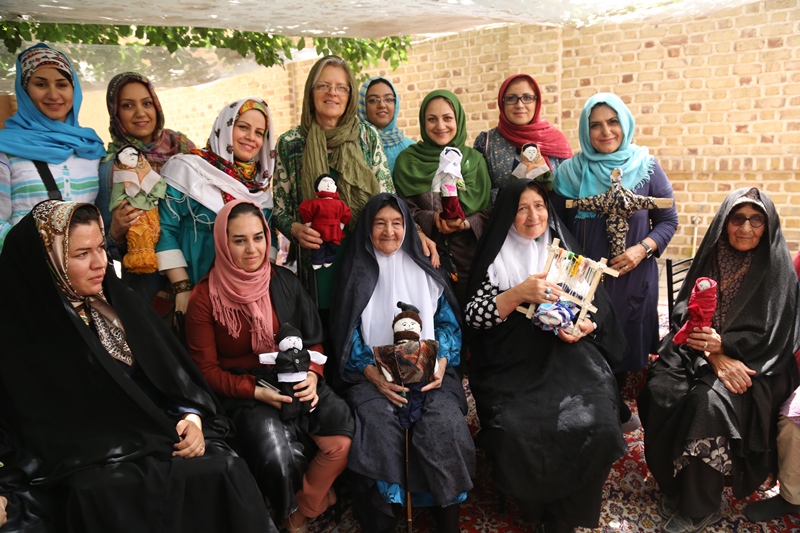
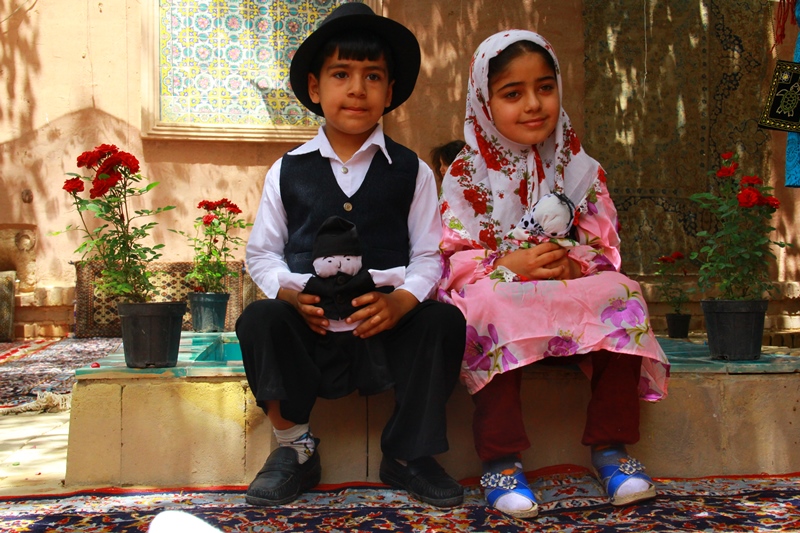
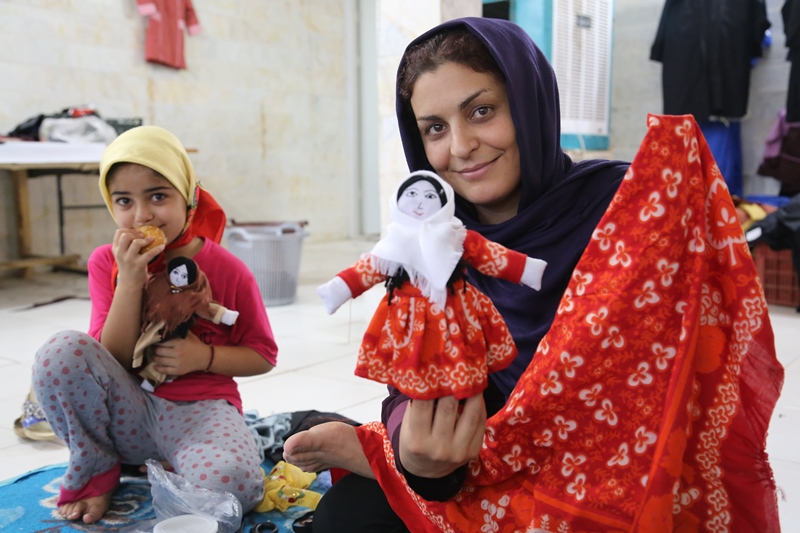
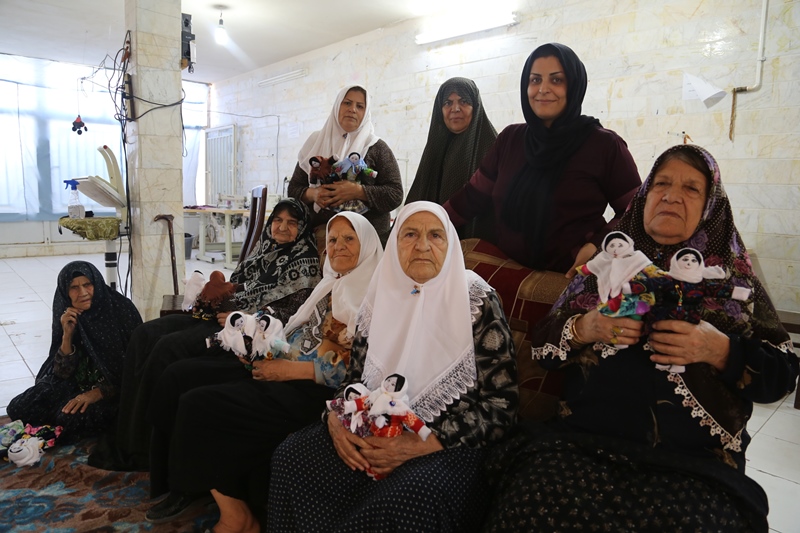
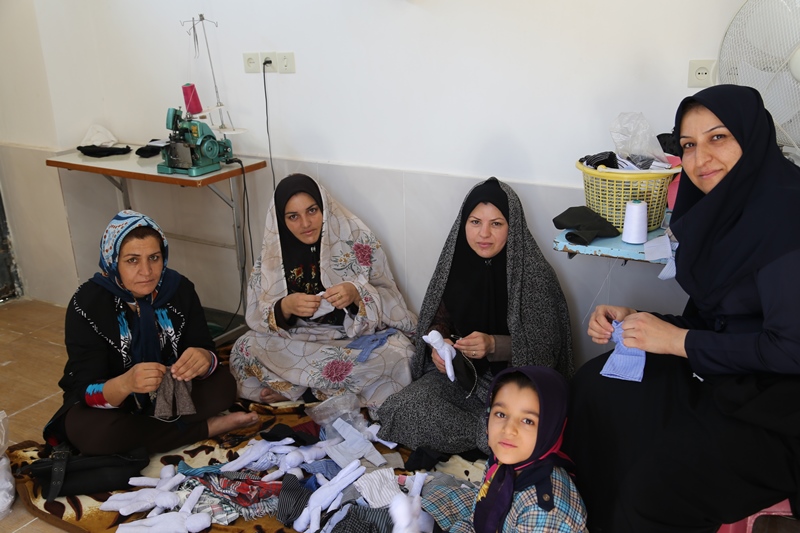
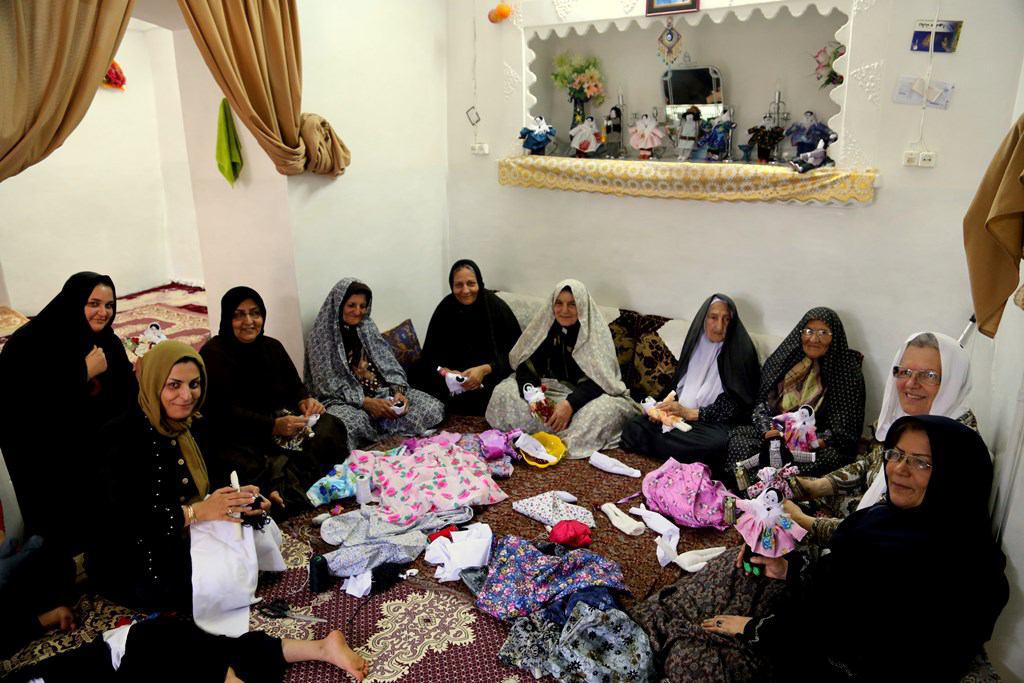
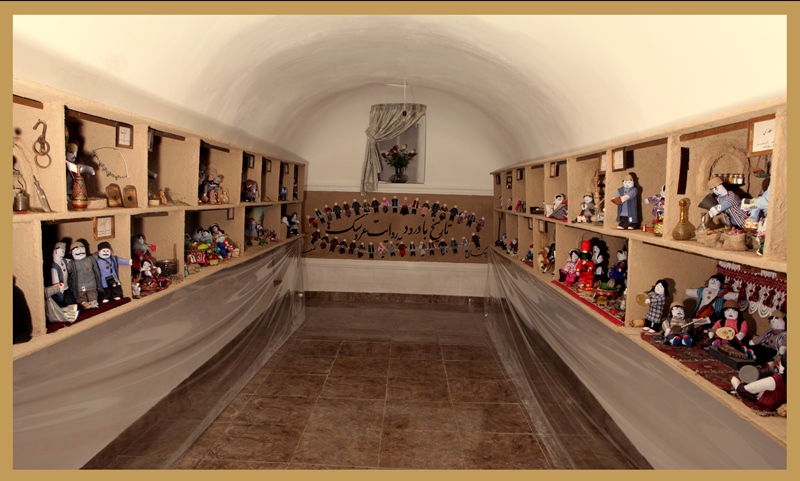
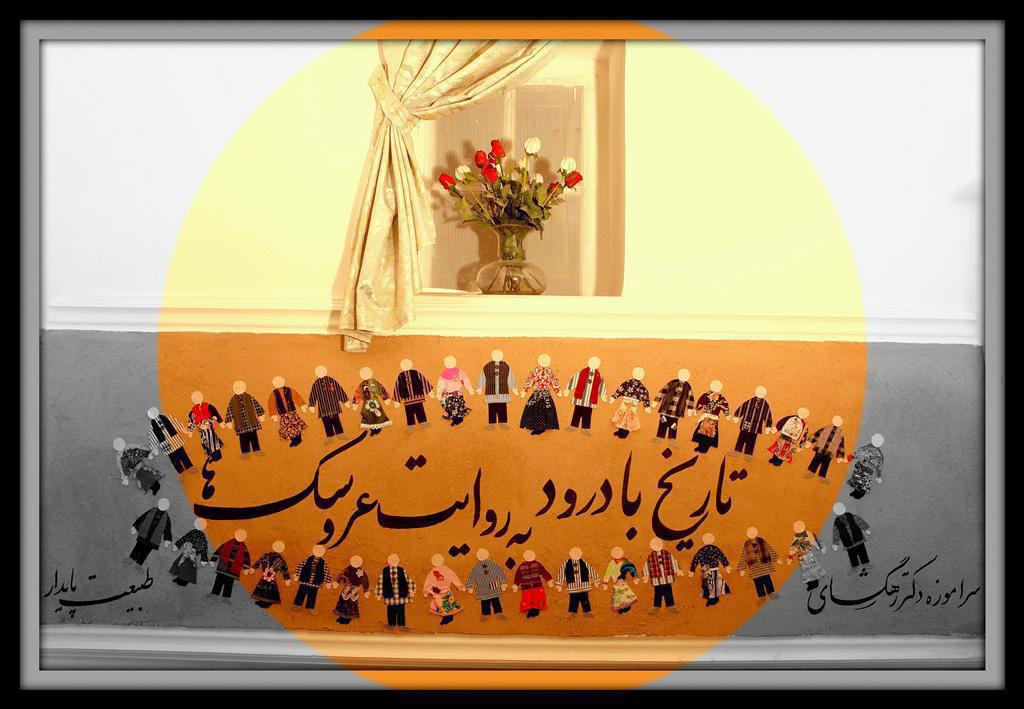
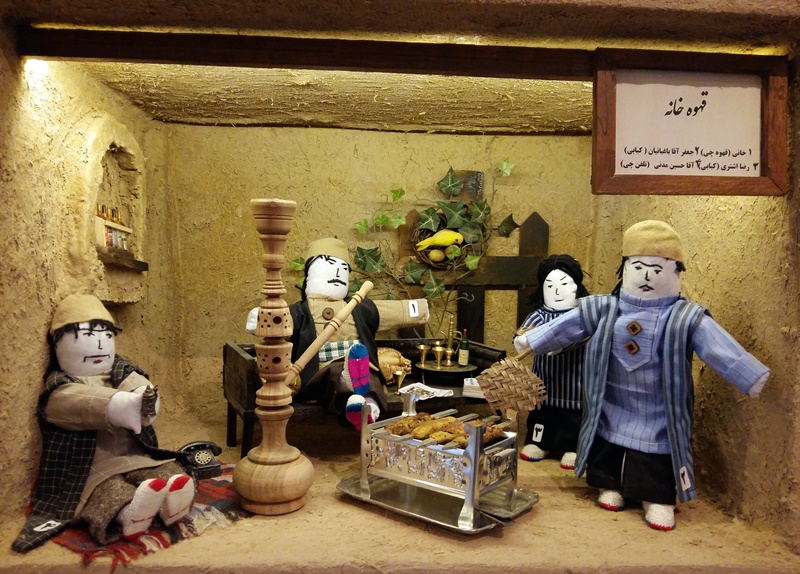
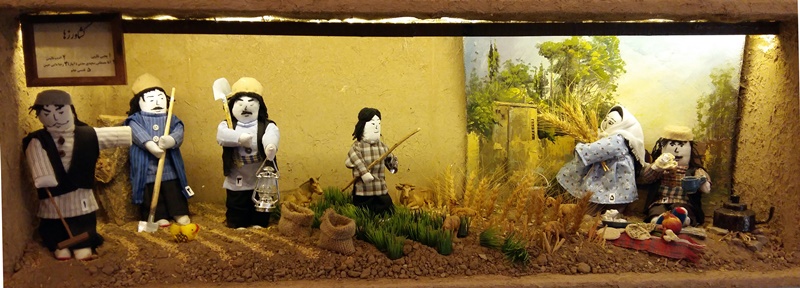
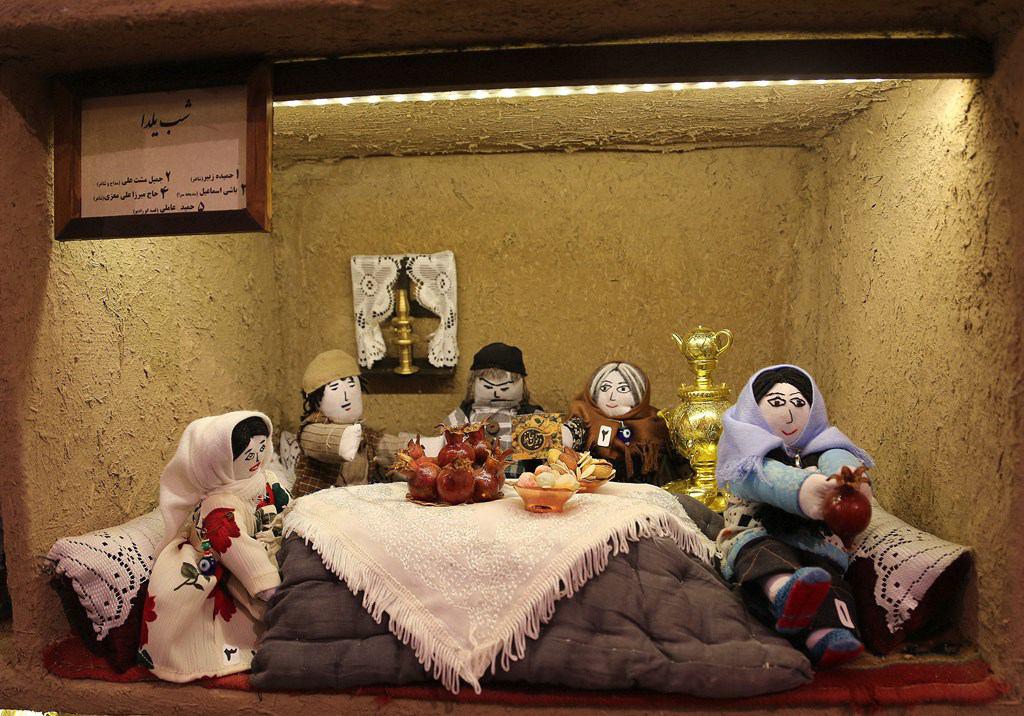
The first goal of this project was to restablish the dialogue between generations and we started to research the name of the first villagers for about 80 years ago, in different professional activities. All our dolls have now an Identity Card,so young people can remember their names and be pround of their ancestors.More than 150 dolls are replaced in their own location (home, workshop or market) and this in 34 locations. Dr. Rahgoshay Museum decided at the occasion of the celebration of Norooz 1395, the new Iranian Year 2016.to take a first step to promote an active interaction with people from foreign cultures by sending them ,all over the world, a couple of our traditional dolls with warmest greetings. Those will be its Ambassadors of Peace and Friendship.We hope that these messengers coming from the past will be conducive to dialogue, non-violence and to the rapprochement of cultures and will help all of us to learn building new paths to a better future and a sustainable peace.This project is focused on generating income. Rural women , in particular, face major barriers to access productive resources, disadvantages and exclusions, associated with gender roles. We have to find priorities for the development of women social recognition and the improvement of rural women livelihoods and general well-being.This shows how improved conditions of women in rural areas can help to achieve all development goals.
 Title
Title
Title
Title
 Title
Title
Title
Title
 Title
Title
Title
Title
 Title
Title
Title
Title
 Title
Title
Title
Title
 Title
Title
Title
Title
 Title
Title
Title
Title
 Title
Title
Title
Title
 Title
Title
Title
Title
 Title
Title
Title
Title
 Title
Title
Title
Title
 Title
Title
Title
Title
 Title
Title
Title
Title
 Title
Title
Title
Title
 Title
Title
Title
Title
 Title
Title
Title
Title
Title
Title
Title
Title
http://www.rahgoshaymuseum.com/en/26-sections-eng#sigProGalleriaa966ed3c7c
- Details
- Category: Museum Sections
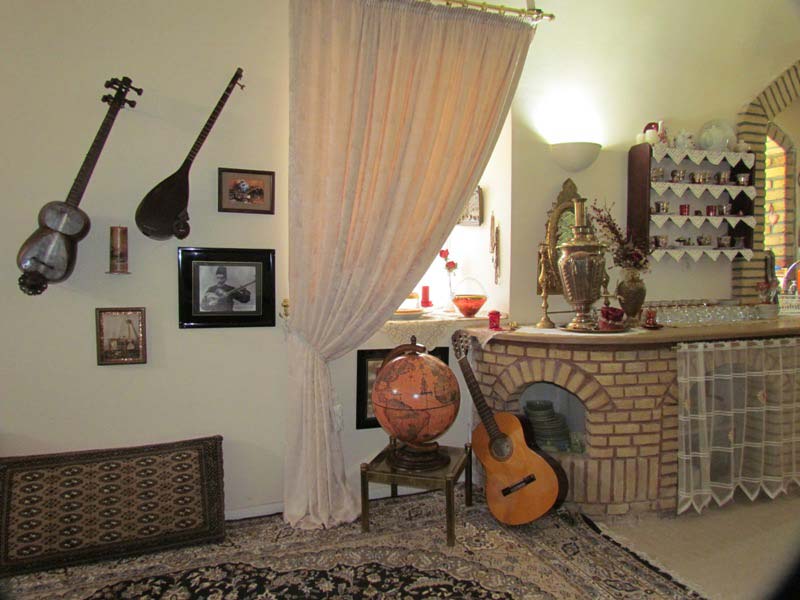
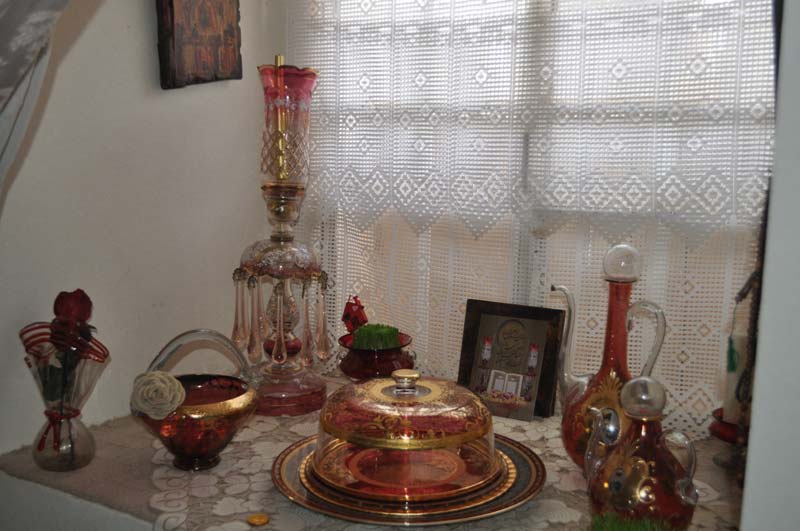
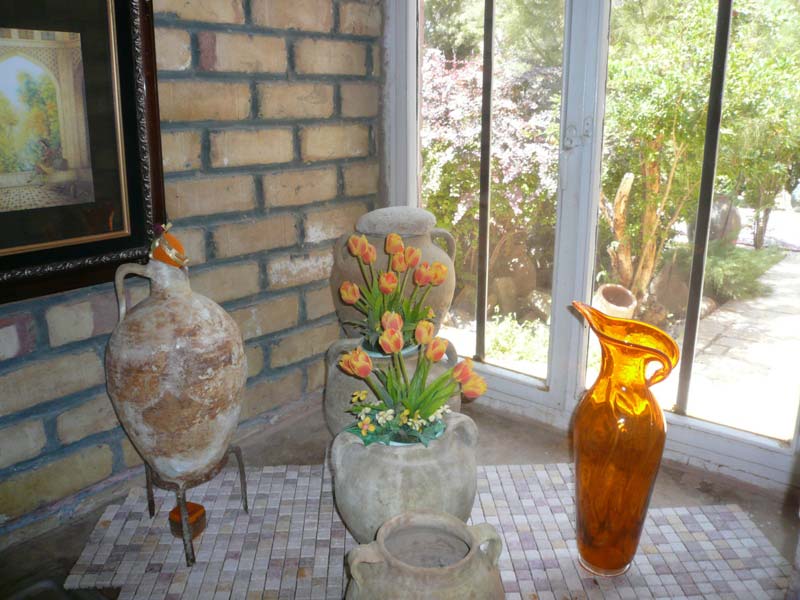
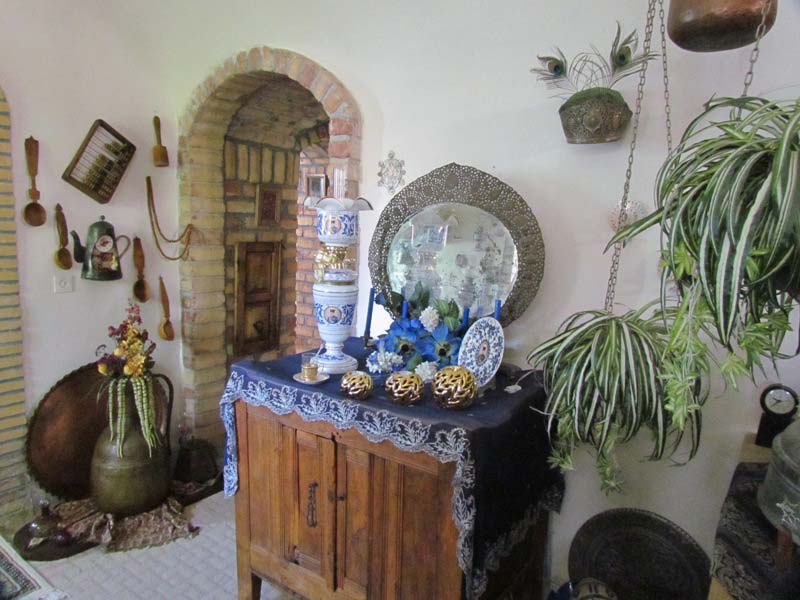
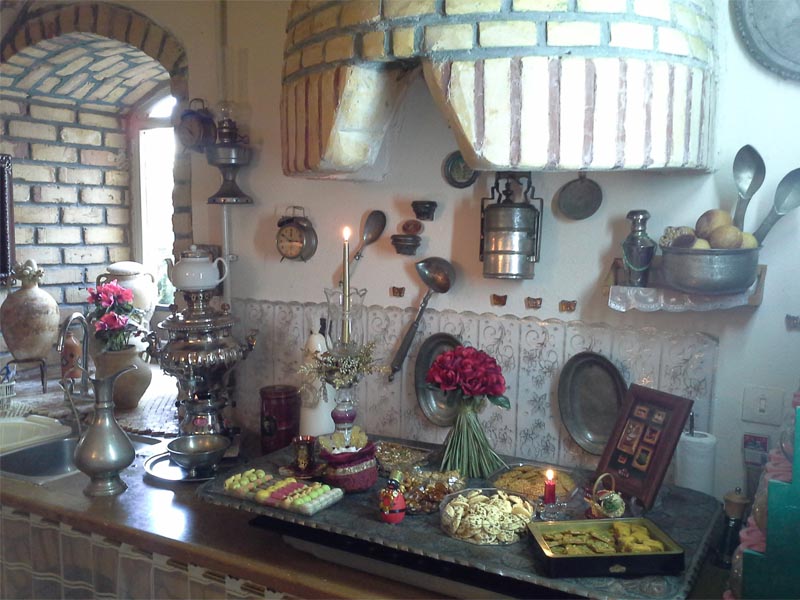
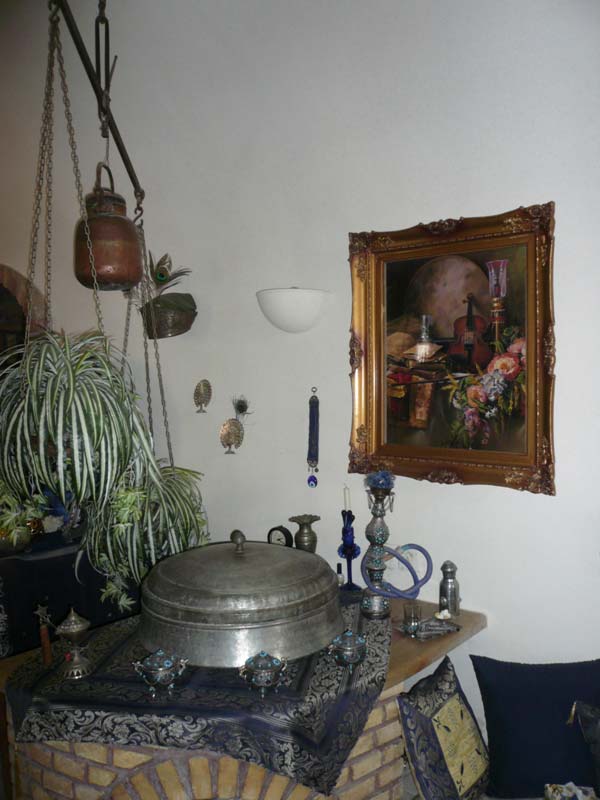
KITCHEN
Next to the hozkhaneh is the current kitchen with a collection of medicinal and aromatic plants of the region.
The clay pots exposed in front of the window used to be hung in ovens or Tanoor allowing the cooking of meals.

http://www.rahgoshaymuseum.com/en/26-sections-eng#sigProGalleria56b9b9b71e
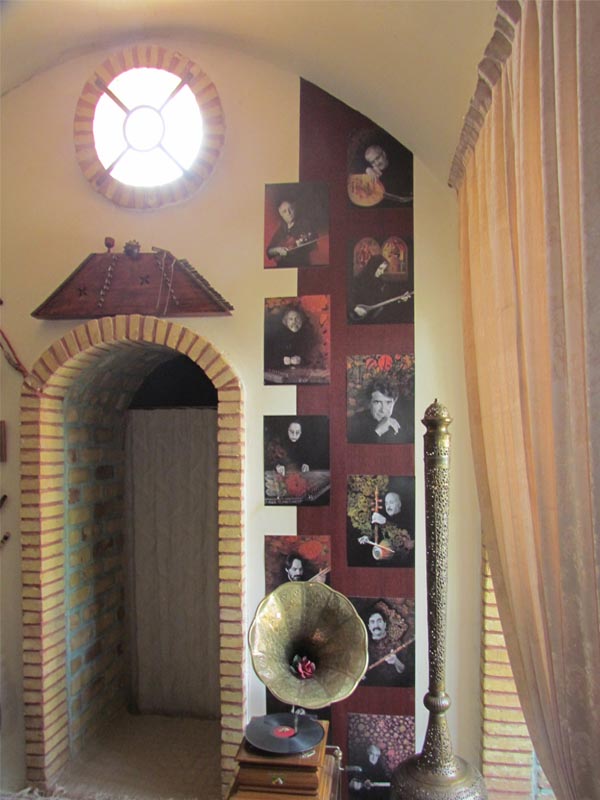
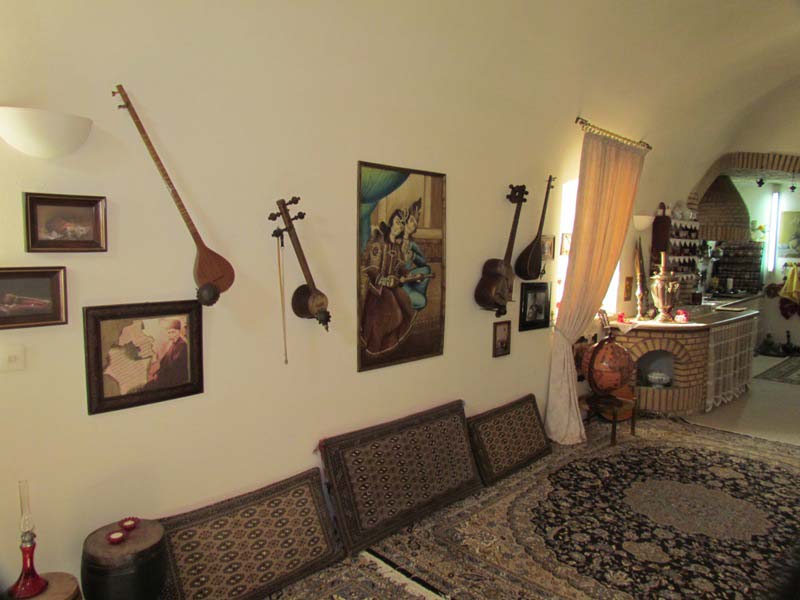
MUSIC ROOM
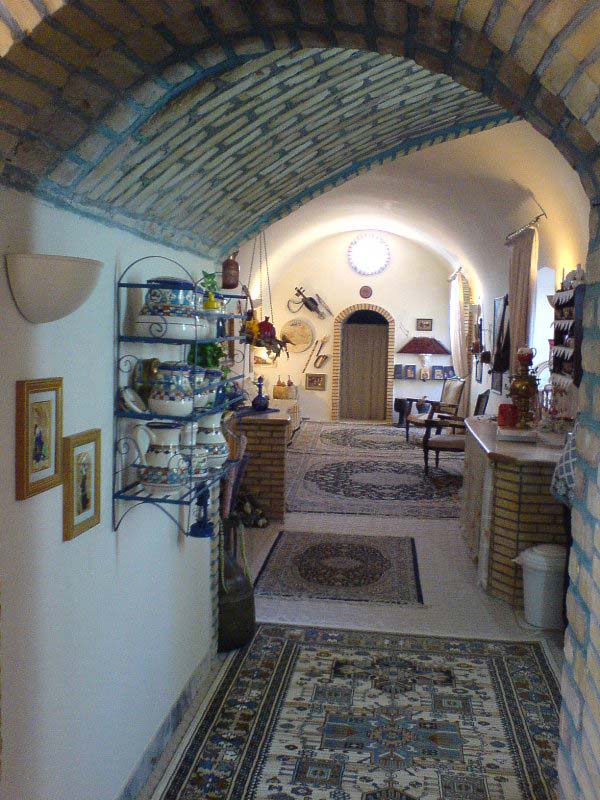
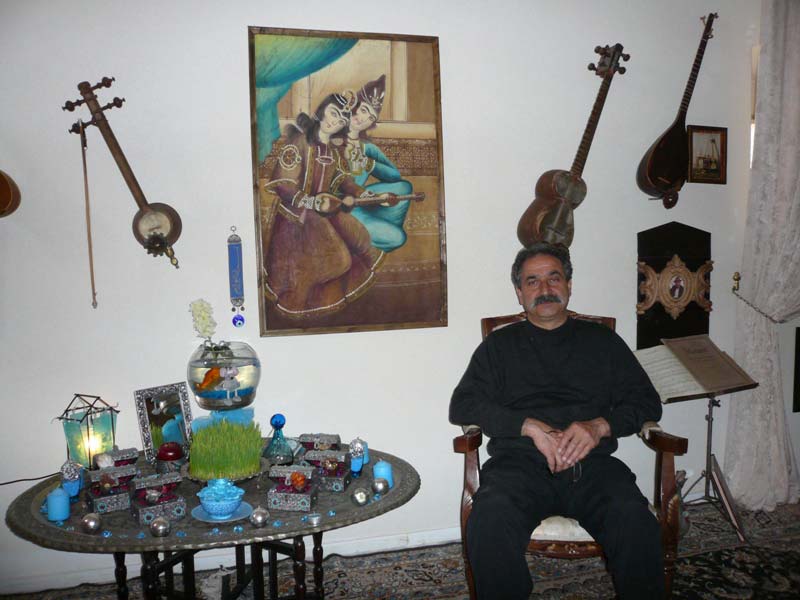
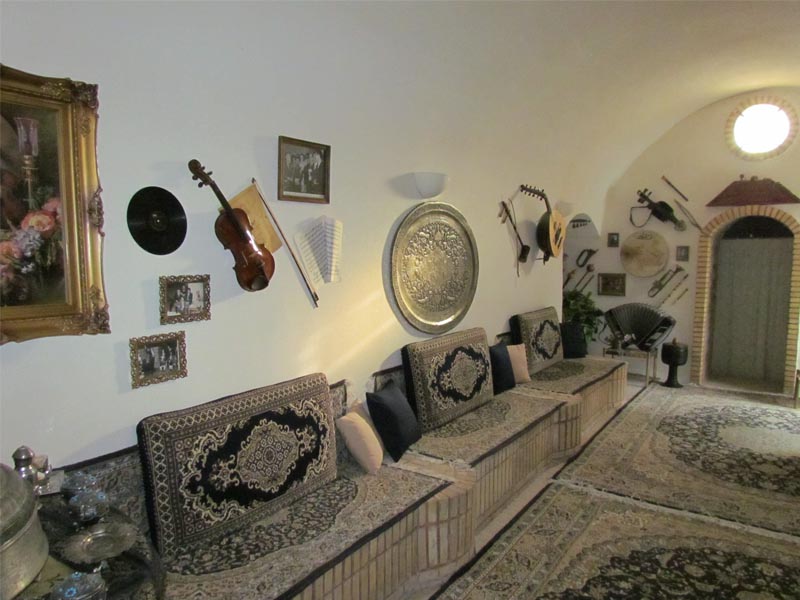
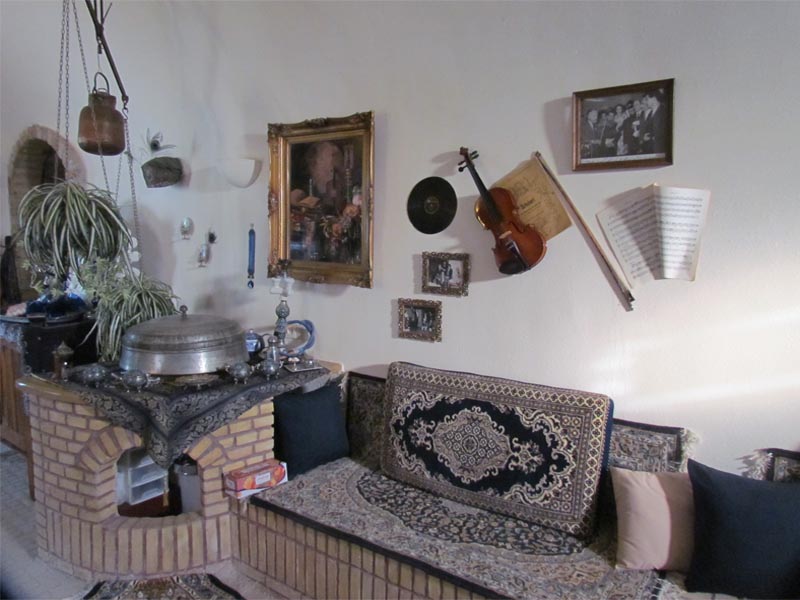
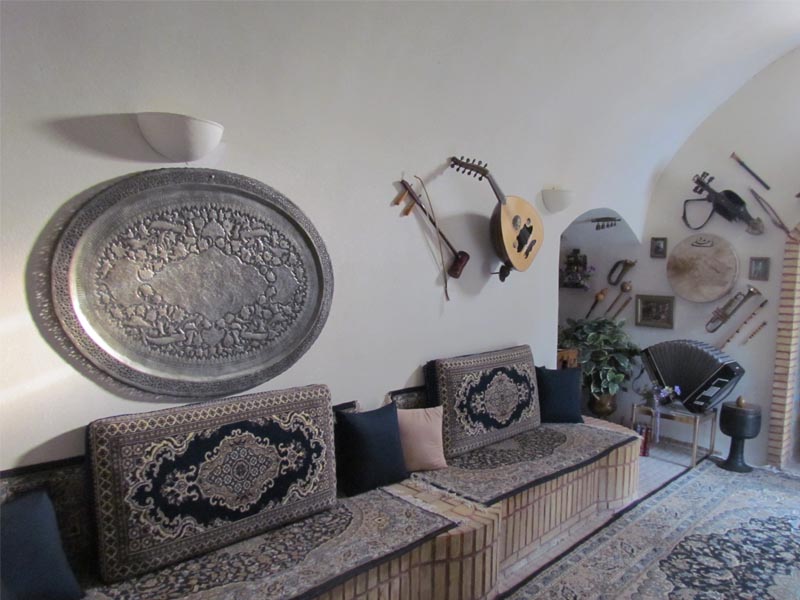
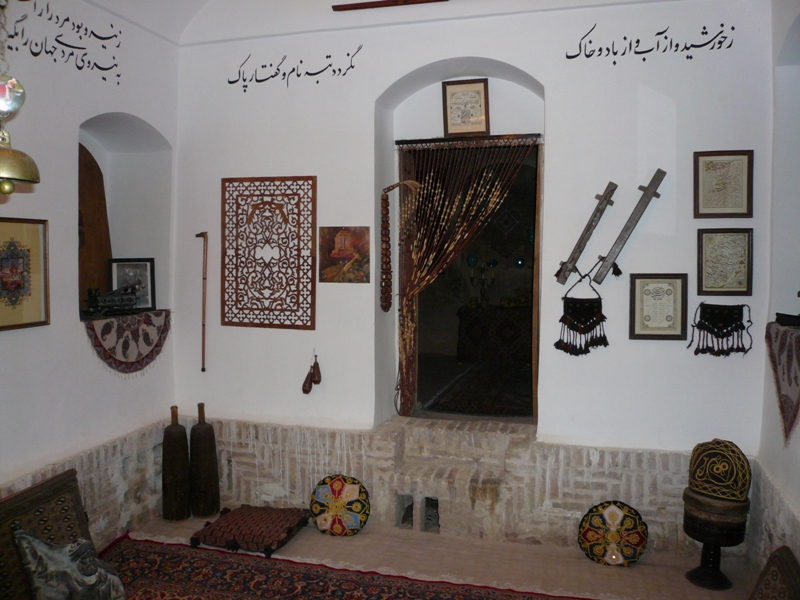
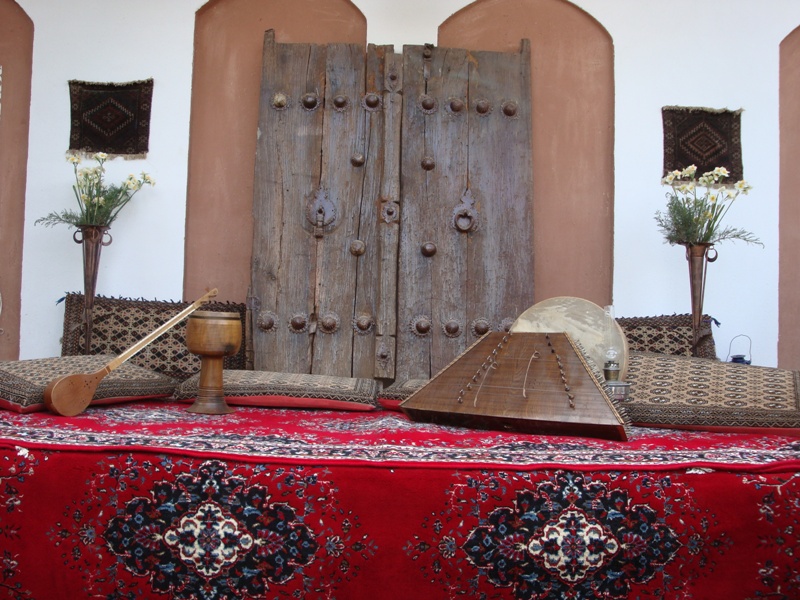
The room adjoining the kitchen is called "Mazif" which is a special room for receiving guests who comfortably sit on benches built with bricks and covered with cushions.
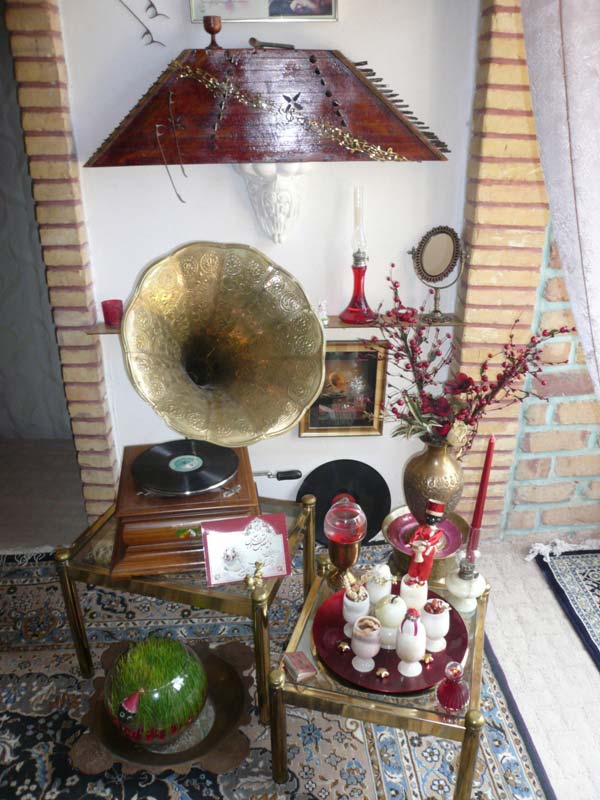
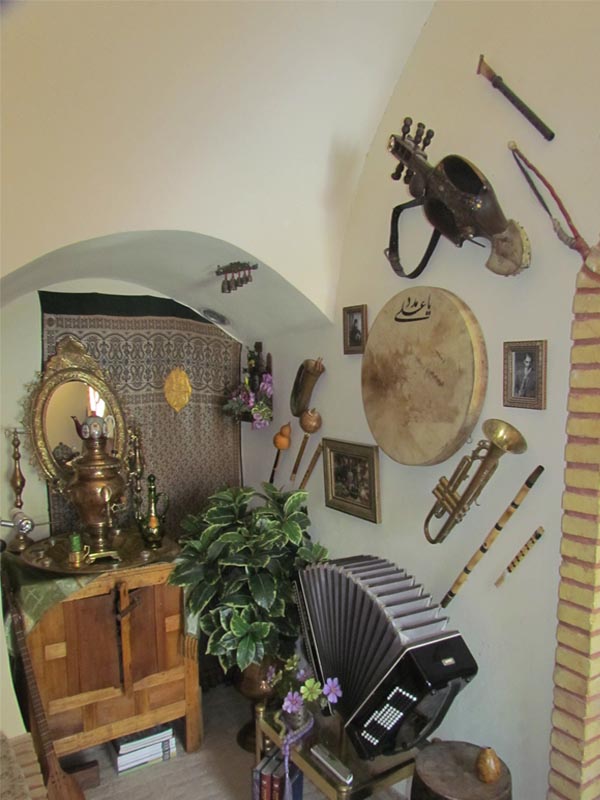
This room has been transformed into a music room which displays traditional Iranian music instruments.
Musical instruments from Iran have had a difficult history because of the ultra-orthodox interpretation of the Qur'an by Shiites regarding the role of music. Sometimes tolerated, sometimes banned, they remained very sober, very small and have received little development. They are more spread in other countries through the influence of Persian culture.
Different instruments are displayed :
Plucked instruments like Tar, Setar,Qanun and Tambur
String instruments like Kamanchae and Ghaychak
Struck string instrument like Santur
Wind Instruments like Nay (flute) and Accordion
Percussion instruments like Daf and Tombak.
Other international instruments also appear like violin, balalaika, guitar and accordion. The gramophone allows to listen to an important collection of old sounds records.
Title
Title
 Title
Title
Title
Title
 Title
Title
Title
Title
 Title
Title
Title
Title
 Title
Title
Title
Title
 Title
Title
Title
Title
 Title
Title
Title
Title
 Title
Title
Title
Title
 Title
Title
Title
Title
 Title
Title
Title
Title
 Title
Title
Title
Title
 Title
Title
Title
Title
http://www.rahgoshaymuseum.com/en/26-sections-eng#sigProGalleria19ad7268b8
- Details
- Category: Museum Sections

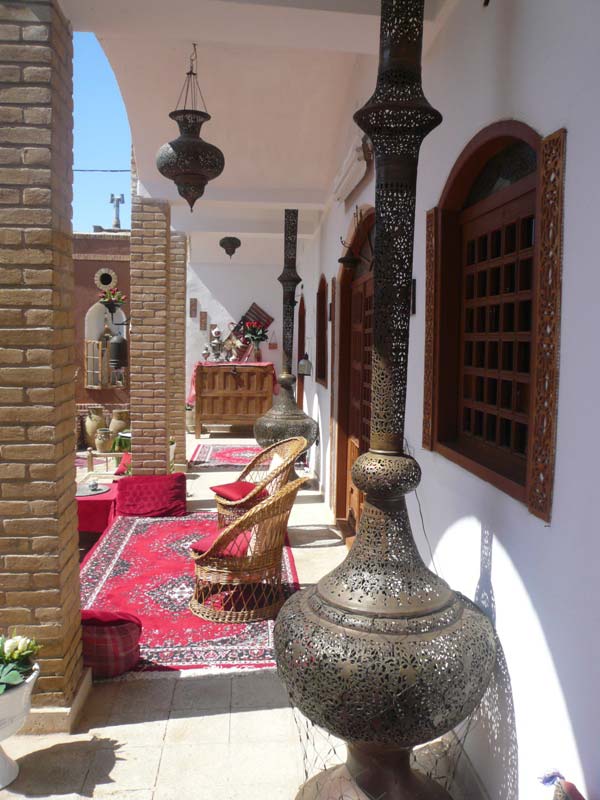
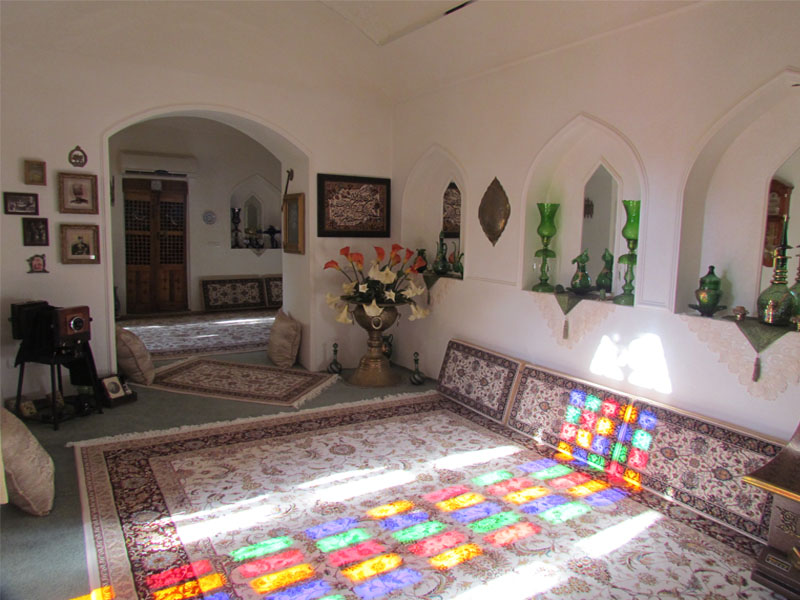
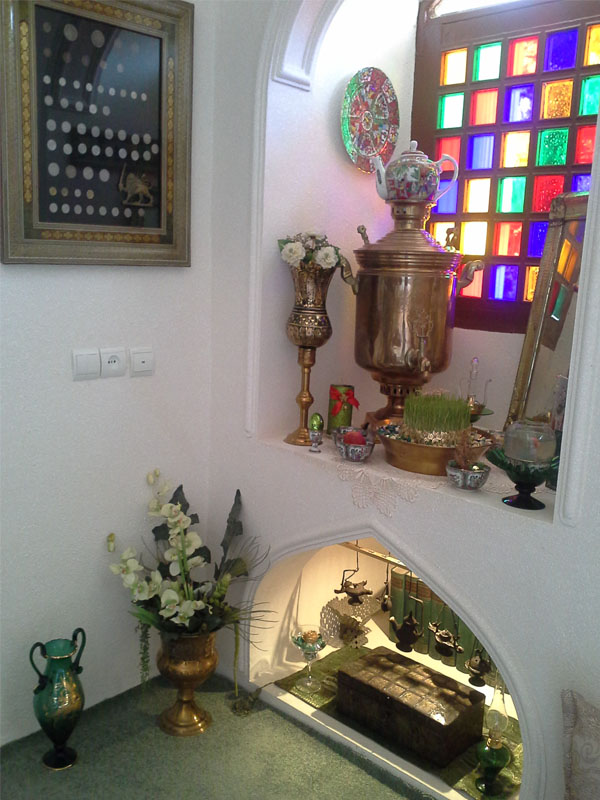
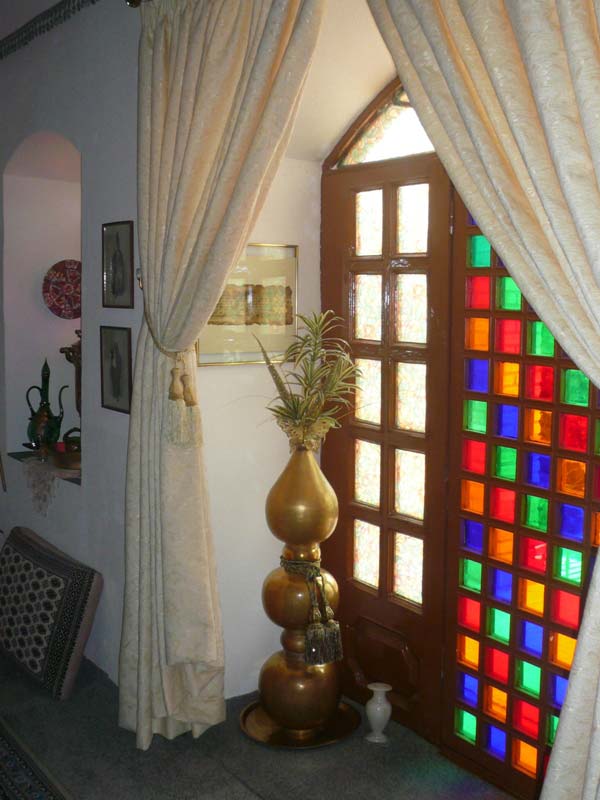
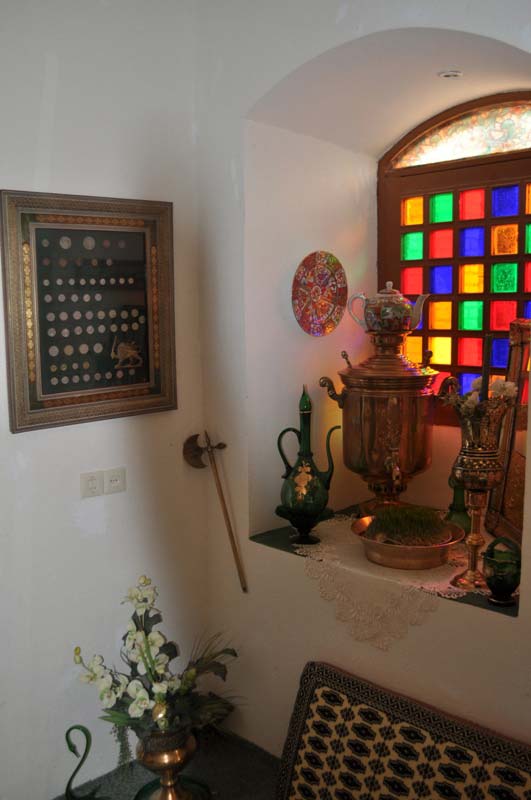
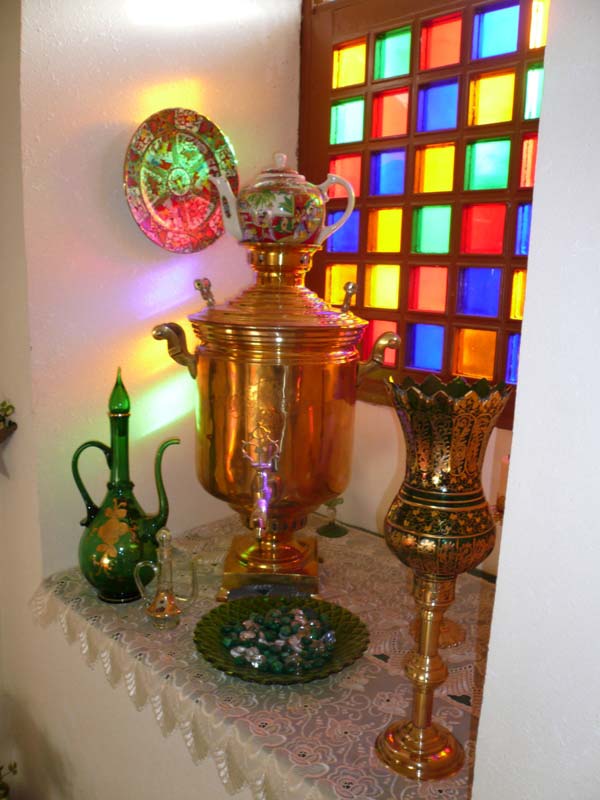
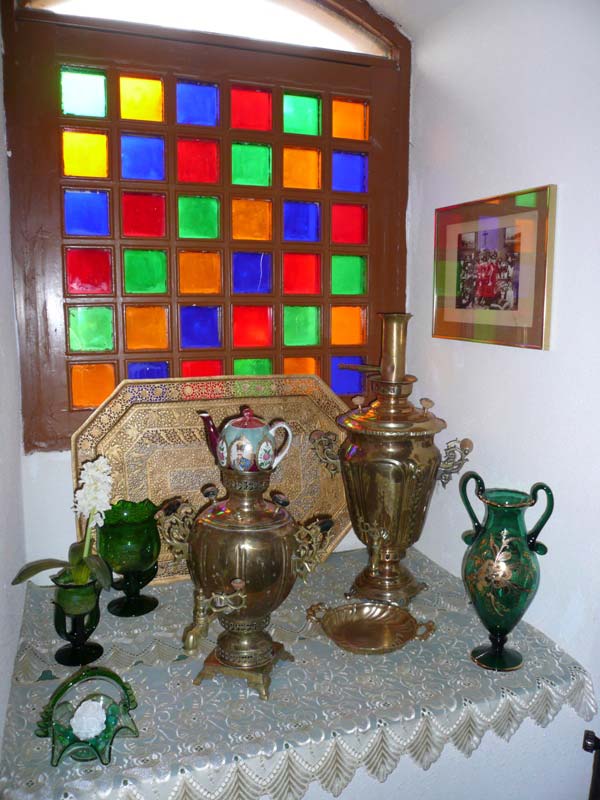
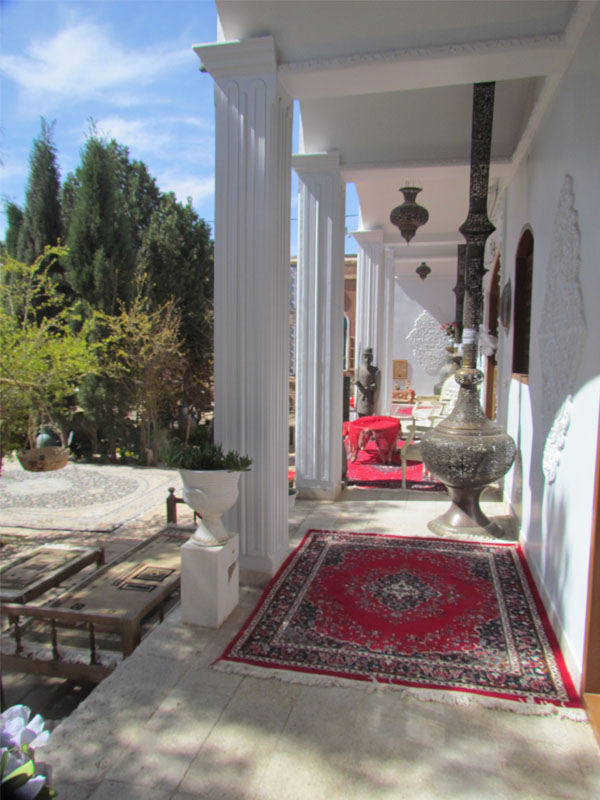
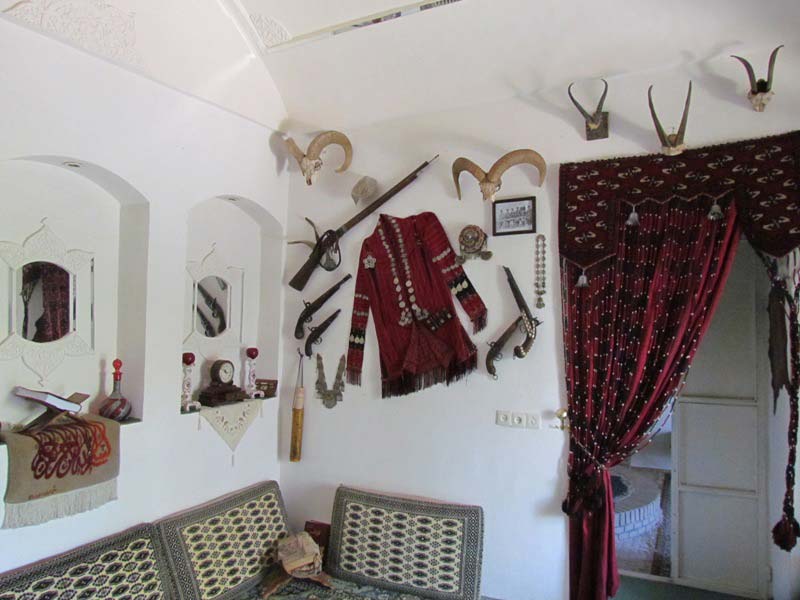
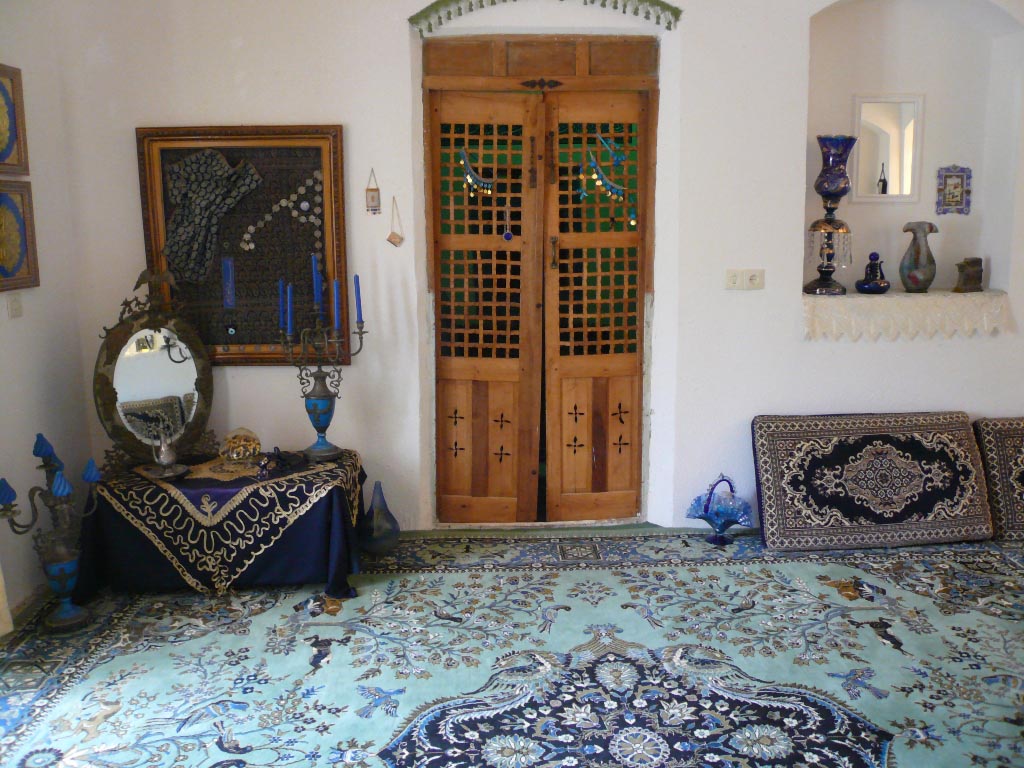
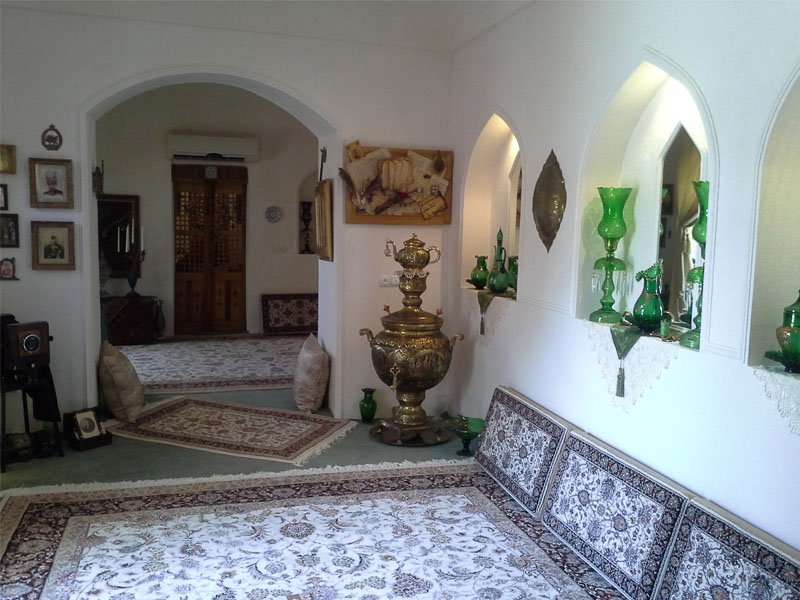
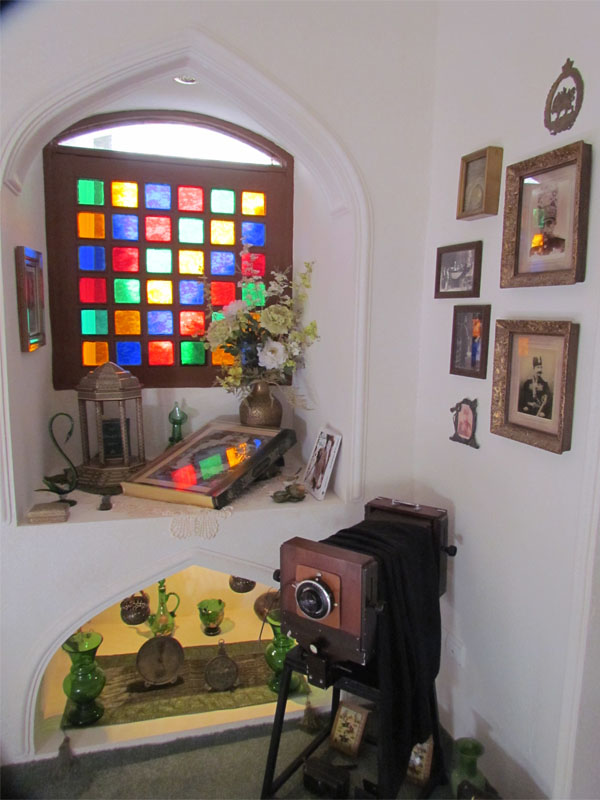
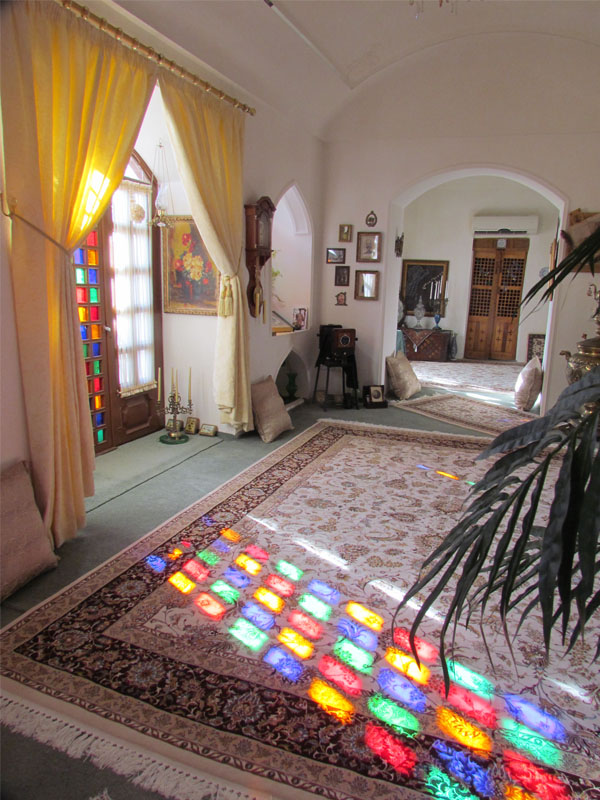
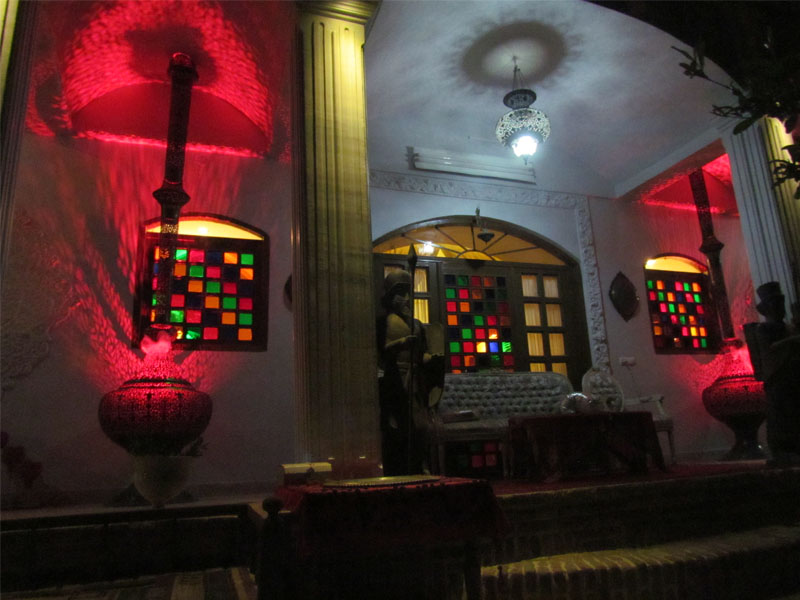
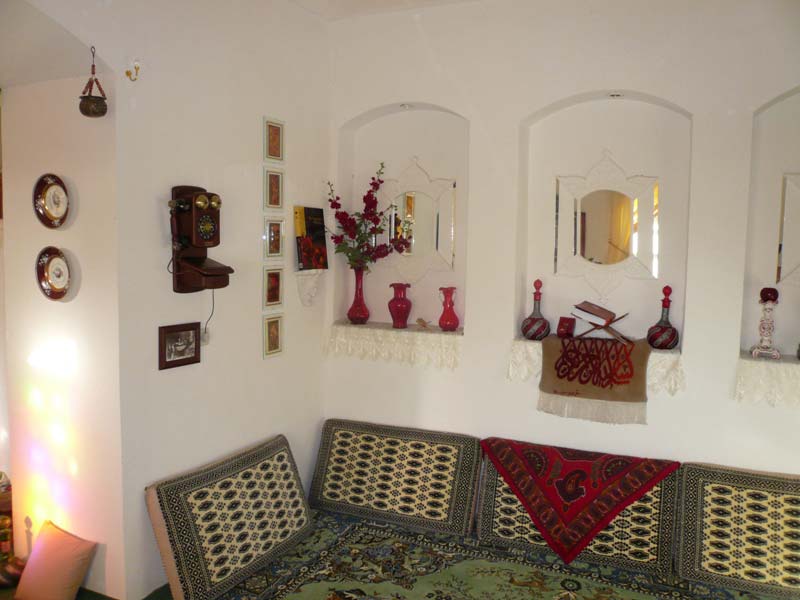
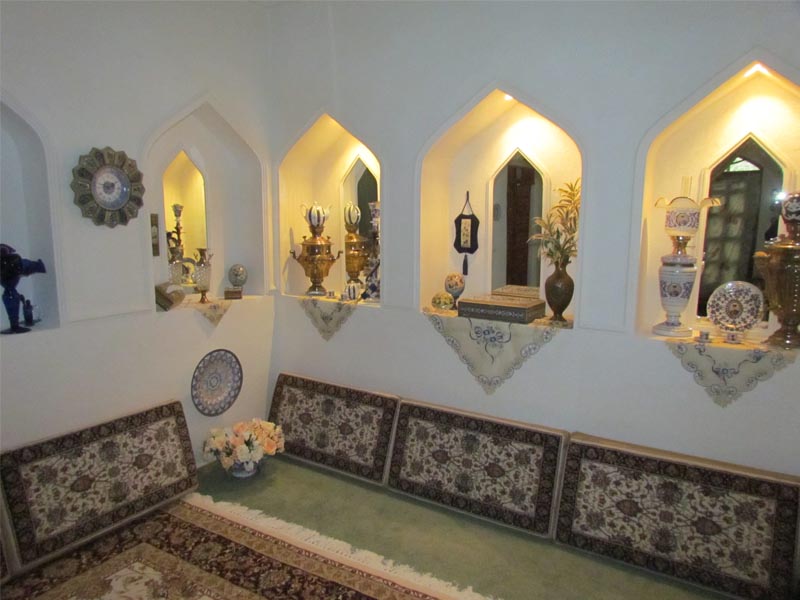
A panj-dari is a traditional element of vernacular Persian architecture. The word comes from "panj" (five) and "dar" (window or door), meaning "five windowed room".
By definition, a panjdari is a large room that is often flanked to the main talar of the house, and most often connected to a large balcony, where 5 large contiguous windows provide primary views to the main courtyard of the house.
On each side of this pandjari, we can find an other room called goochvareh which means earring.
In modern terms, the room would be the equivalent of the"living room" of the house. However, traditional Persian houses were very large and had many rooms.
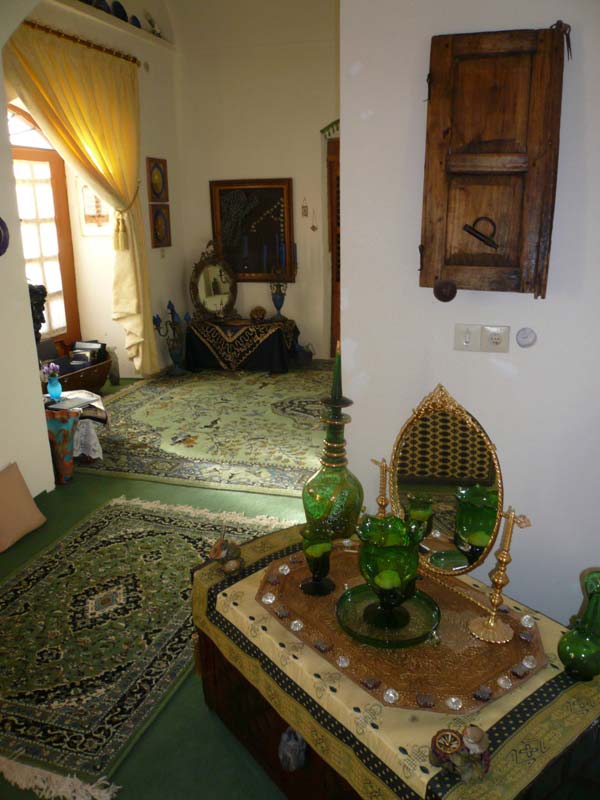
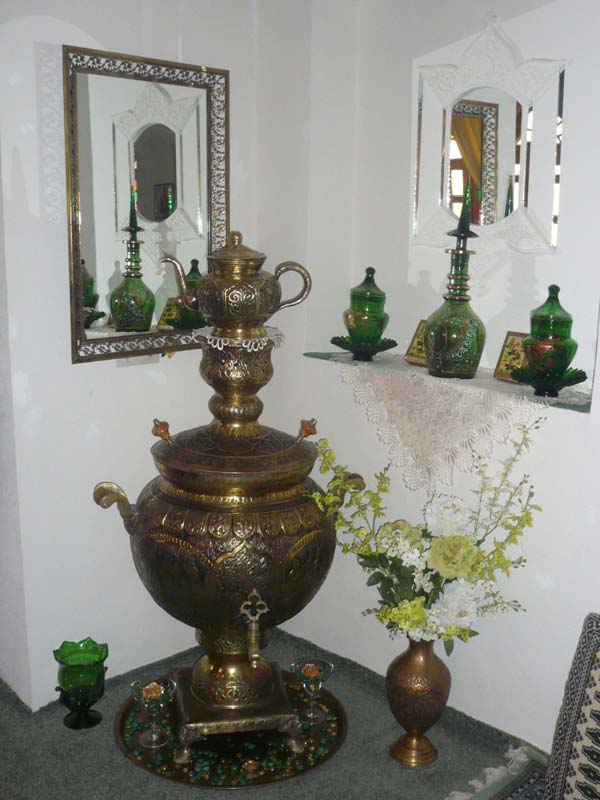
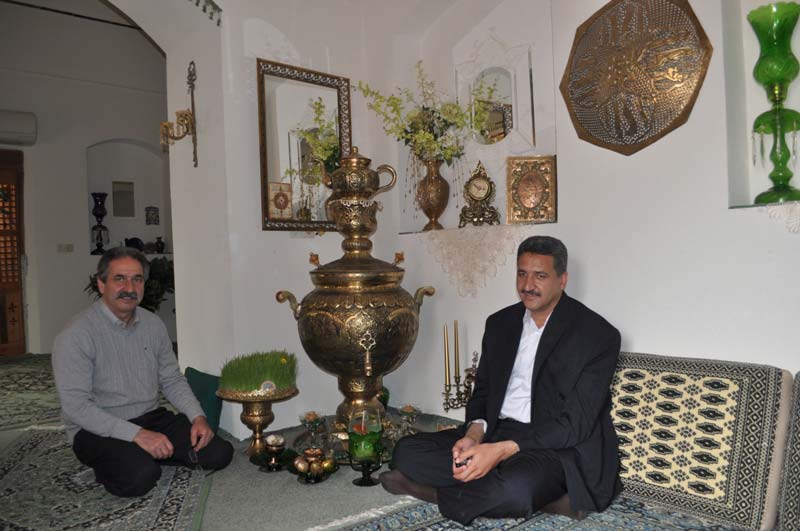
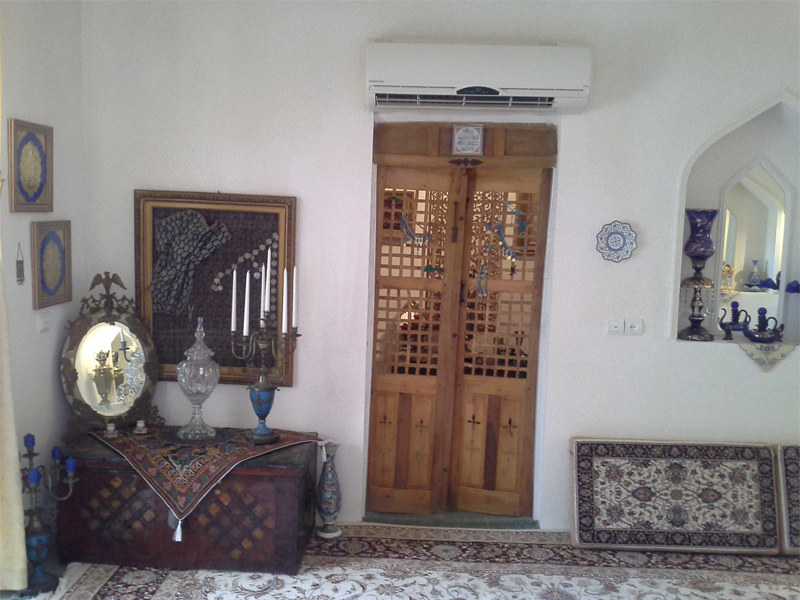
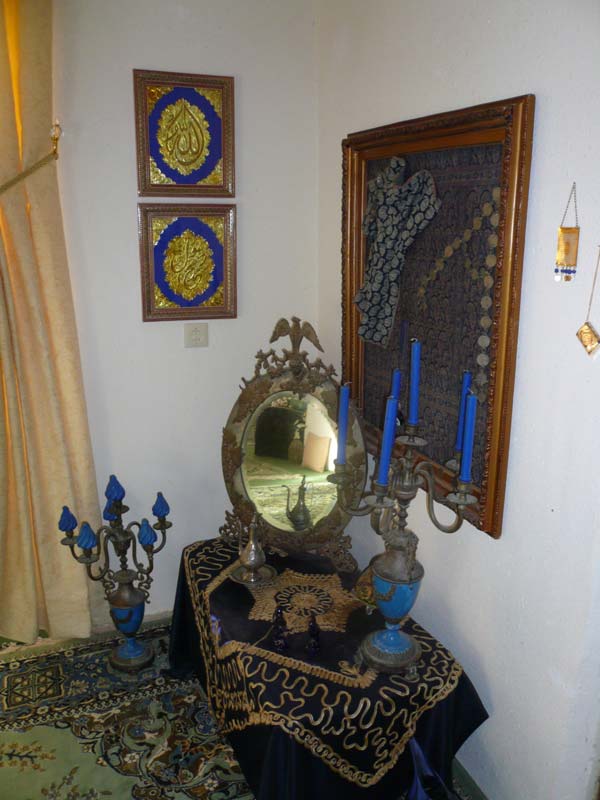
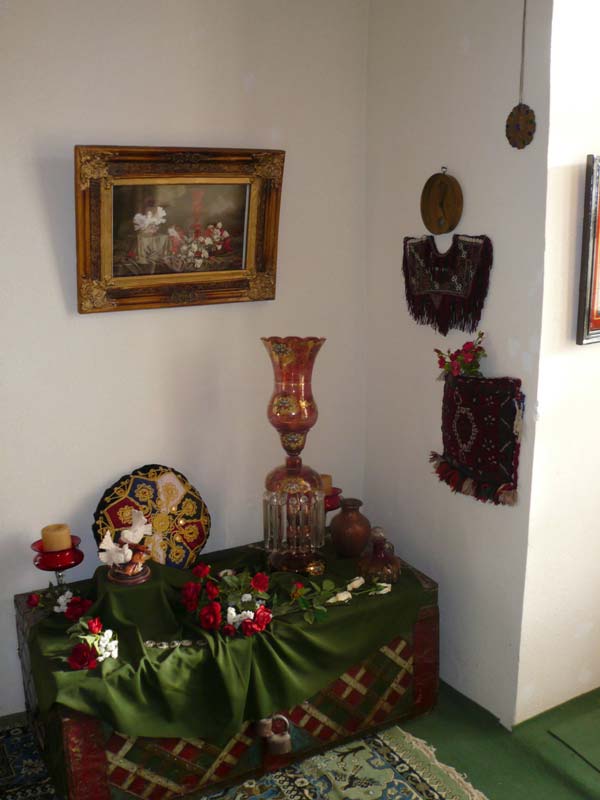
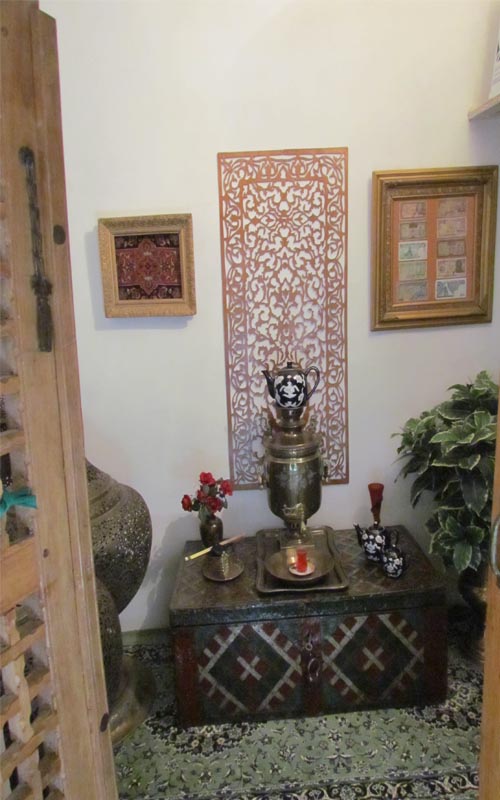
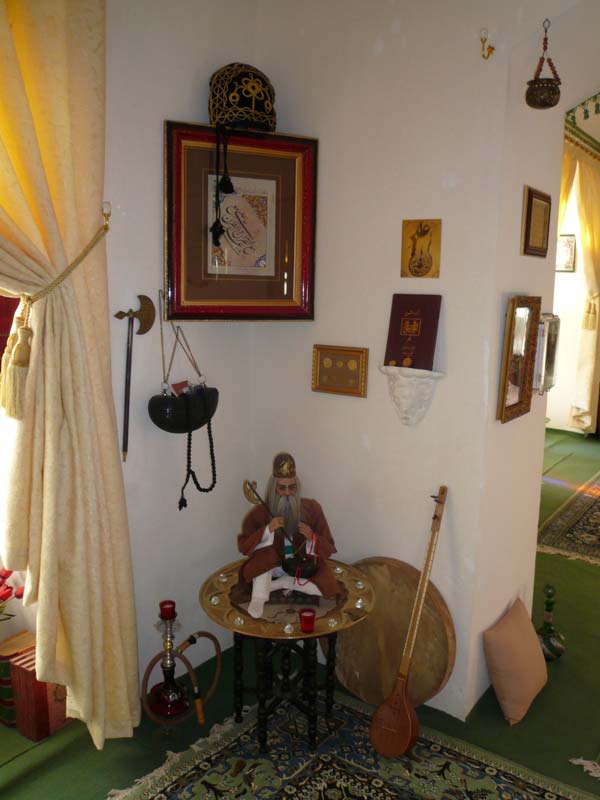
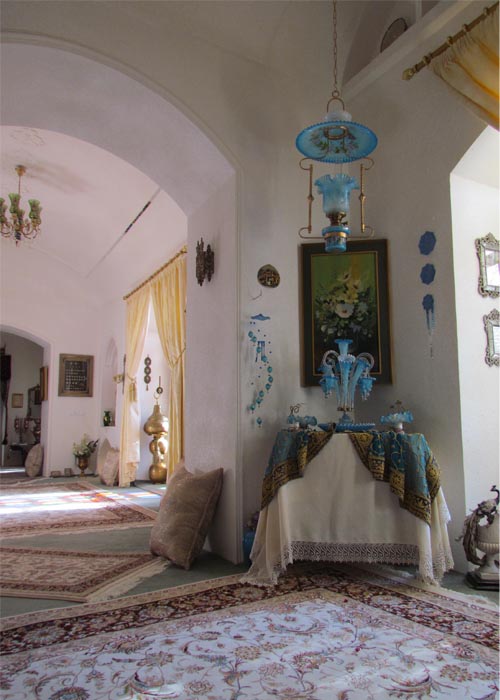
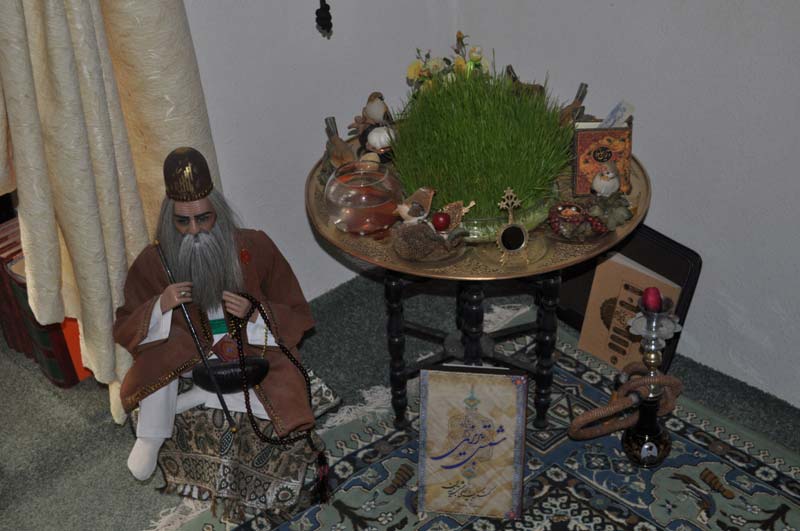
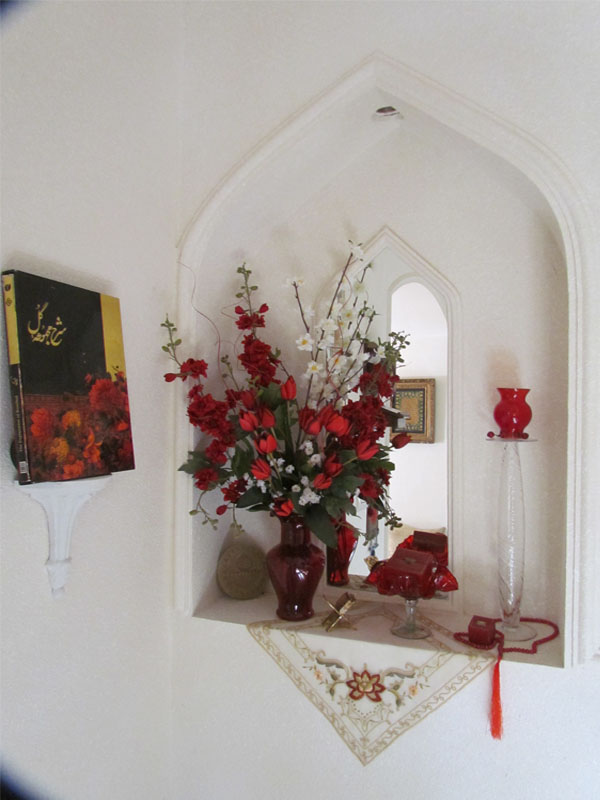
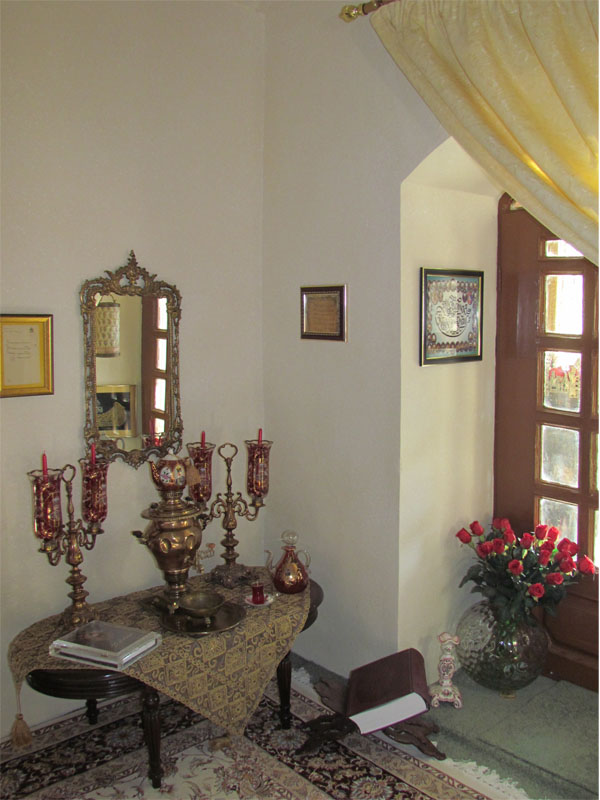
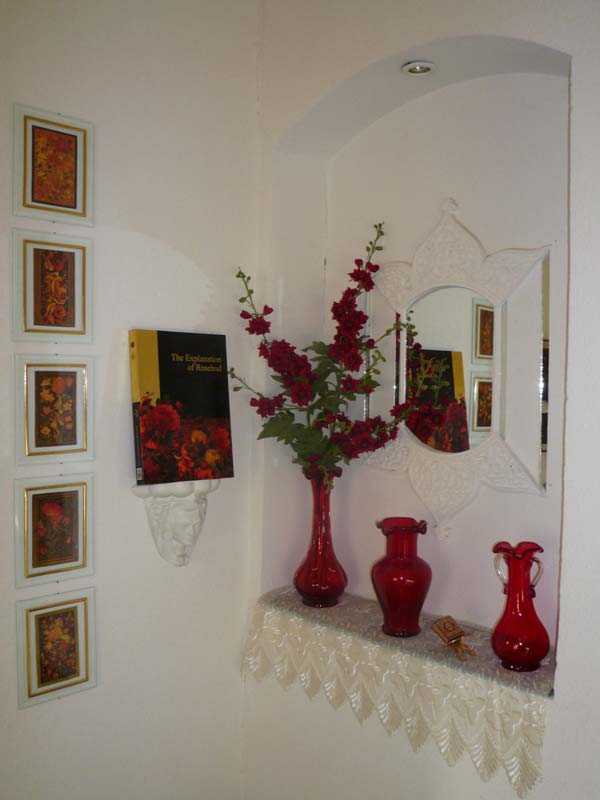
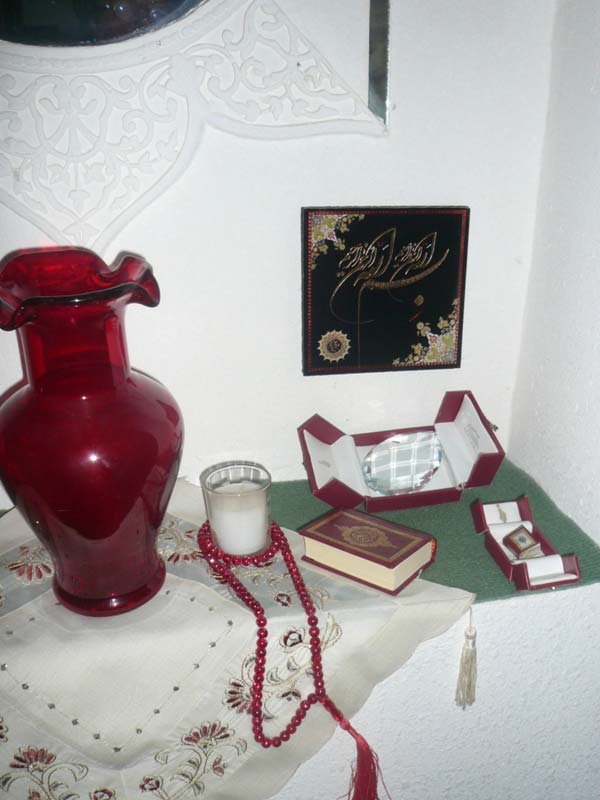
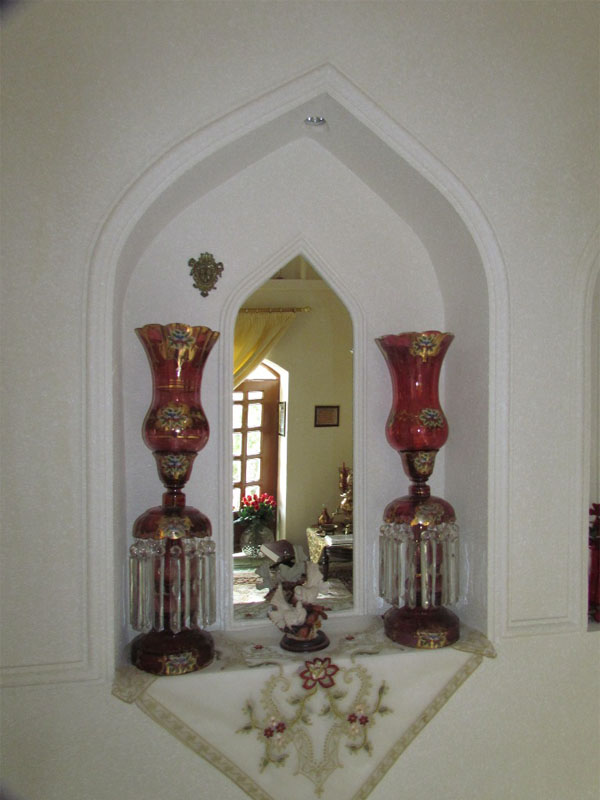
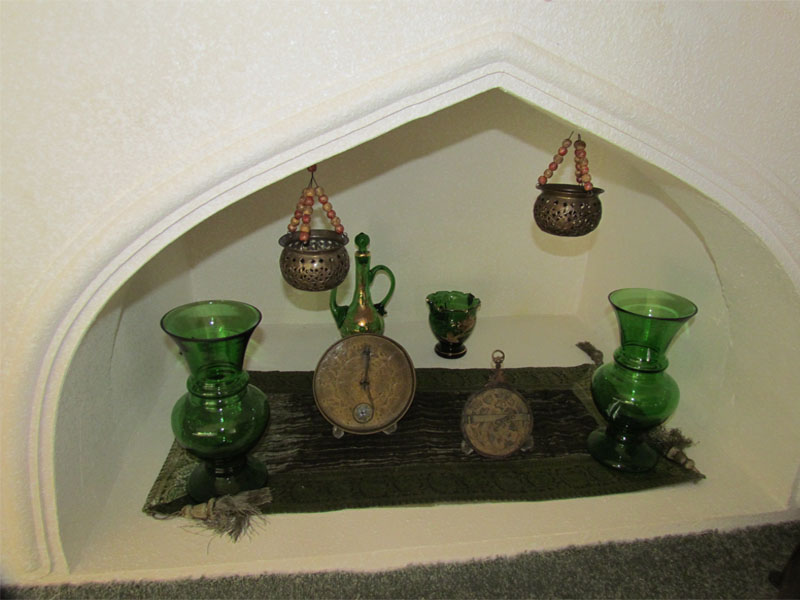
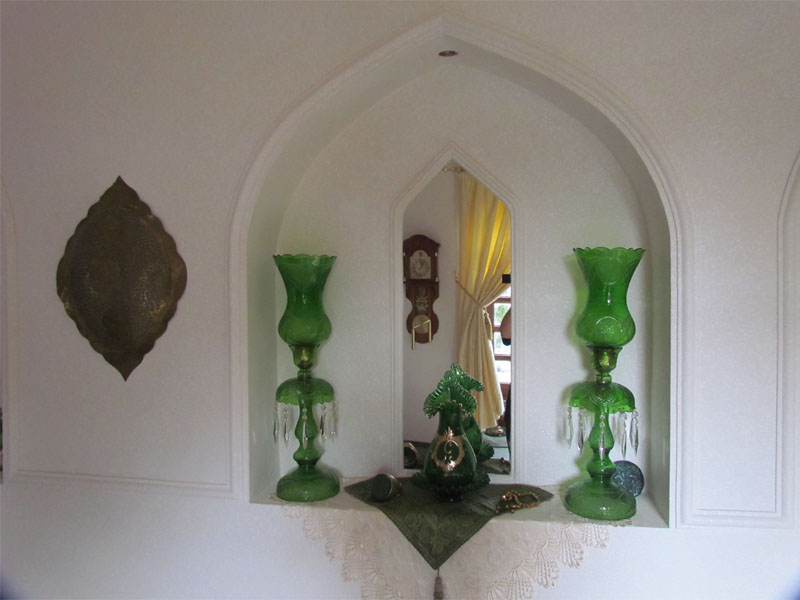
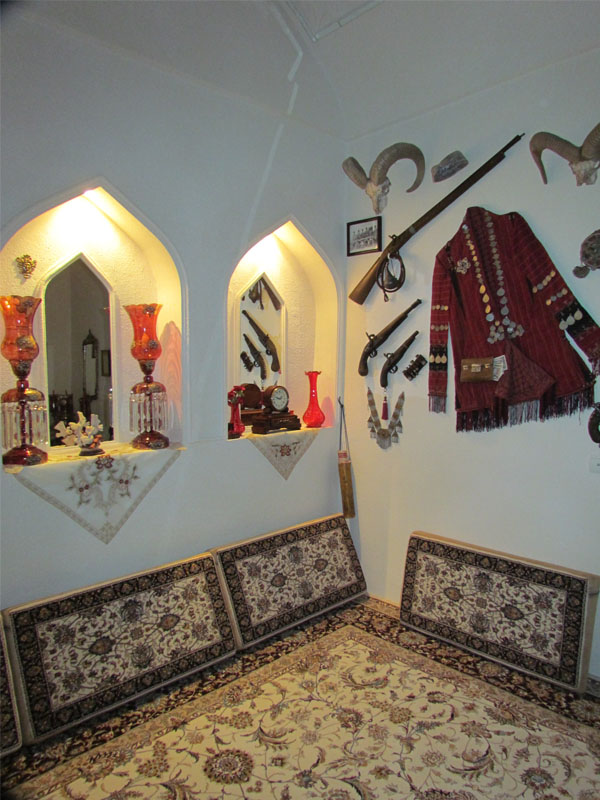
In Badrood this room has been divided in parts without apparent partitions, having each of them a special colour, green, blue and red.The chandeliers and all the items of the decoration are in perfect harmony with the colour of each room .
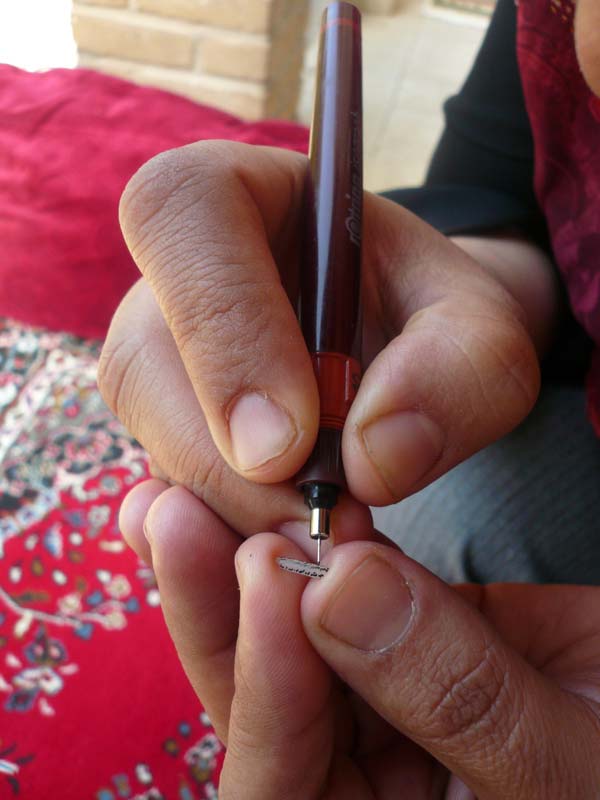
You will be able to see a grain of rice on which Mrs Leila Doostali wrote four verses of the Koran!
-
 Title
Title
Title
Title
-
Title
Title
-
Title
Title
-
Title
Title
-
Title
Title
-
Title
Title
-
Title
Title
-
Title
Title
-
Title
Title
-
Title
Title
-
Title
Title
-
Title
Title
-
Title
Title
-
Title
Title
-
Title
Title
-
Title
Title
-
Title
Title
-
Title
Title
-
Title
Title
-
Title
Title
-
Title
Title
-
Title
Title
-
Title
Title
-
Title
Title
-
Title
Title
-
Title
Title
-
Title
Title
-
Title
Title
-
Title
Title
-
Title
Title
-
Title
Title
-
Title
Title
-
Title
Title
-
Title
Title
-
Title
Title
-
Title
Title
-
Title
Title
-
Title
Title
-
Title
Title
-
Title
Title
-
Title
Title
-
Title
Title
-
Title
Title
-
Title
Title
-
Title
Title







http://www.rahgoshaymuseum.com/en/26-sections-eng#sigProGalleria946031bc7e
- Details
- Category: Museum Sections
Matbakh
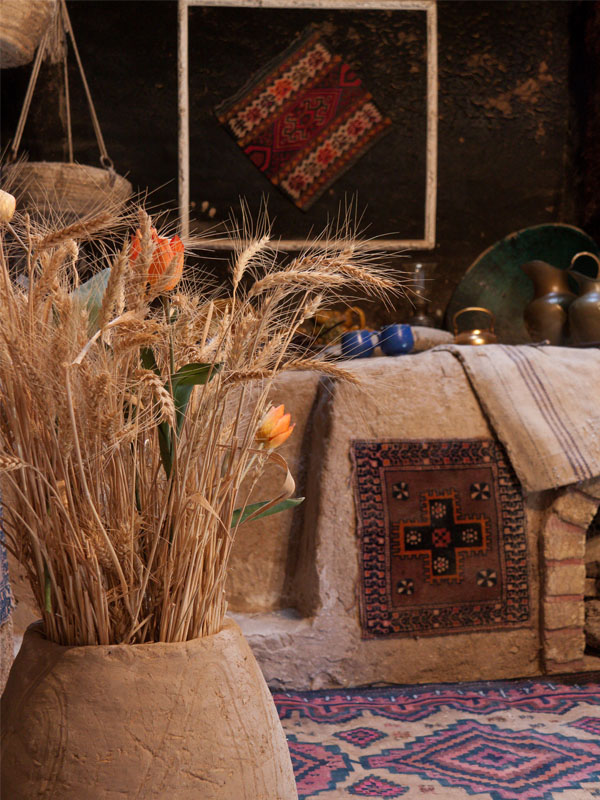
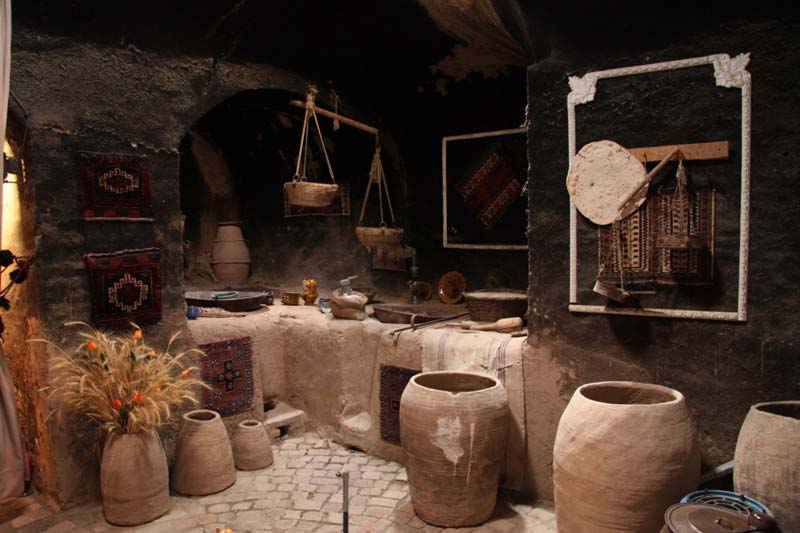
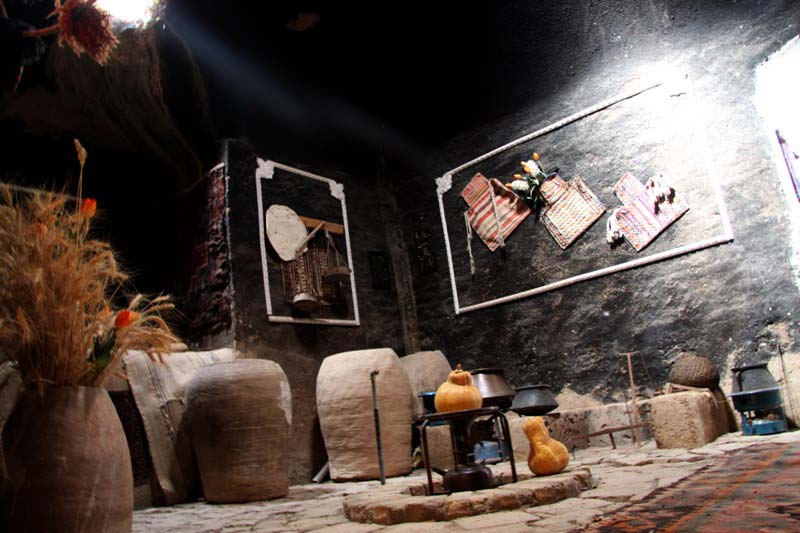
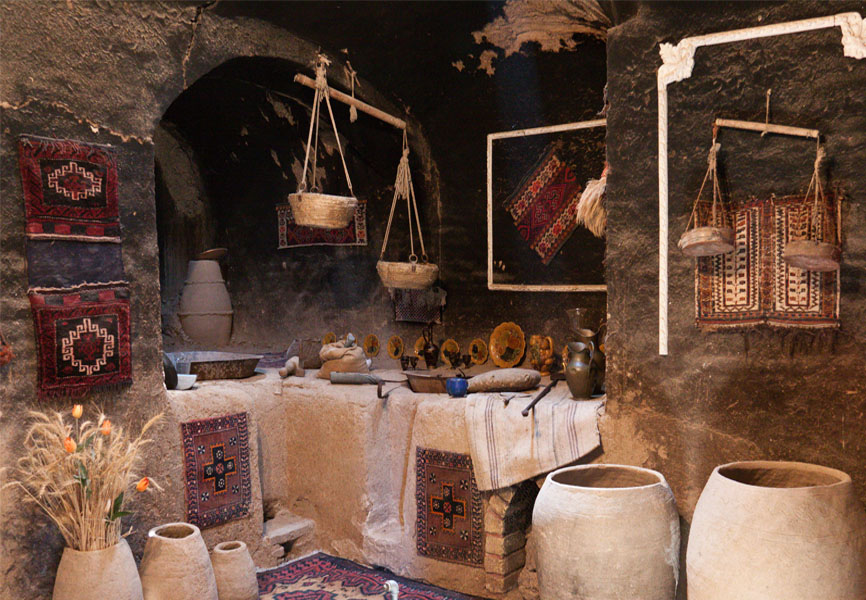
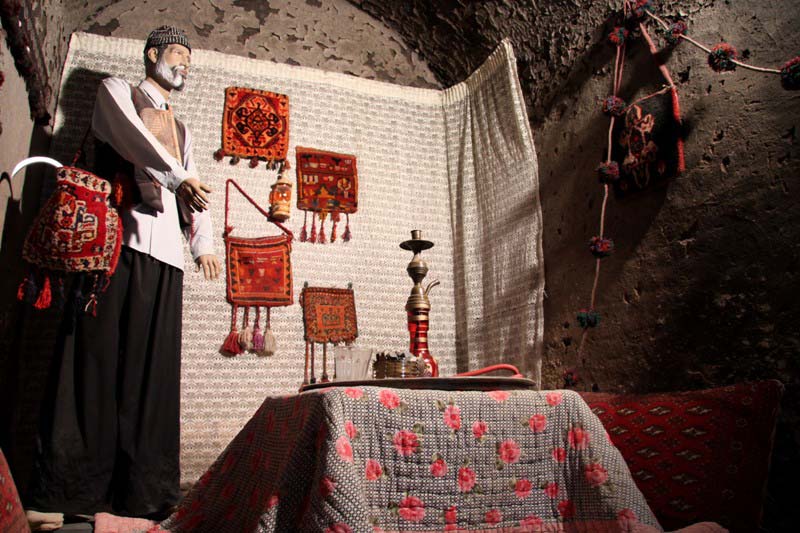
This is the traditional kitchen with its two ovens (Tanur). We cooked the meals in large copper pots placed on brick tripods.
Round flat breads were kept after cooking in large raw clay jars covered with a lid.
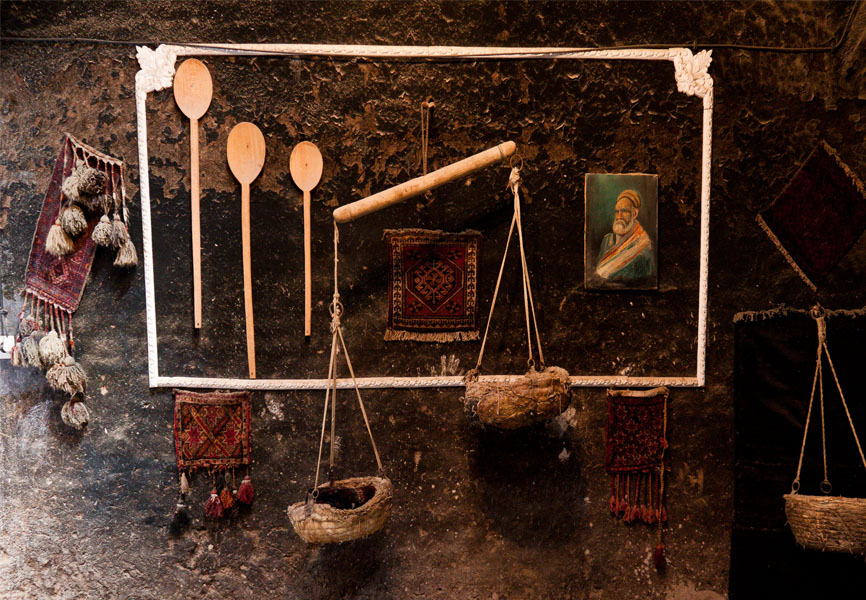
Baskets scales are made of straw and leather.
At the current location of the korsy , the man is wearing the traditional outfit of the region. This place was used to store the wood for the owens which provided also the embers for the water pipes.
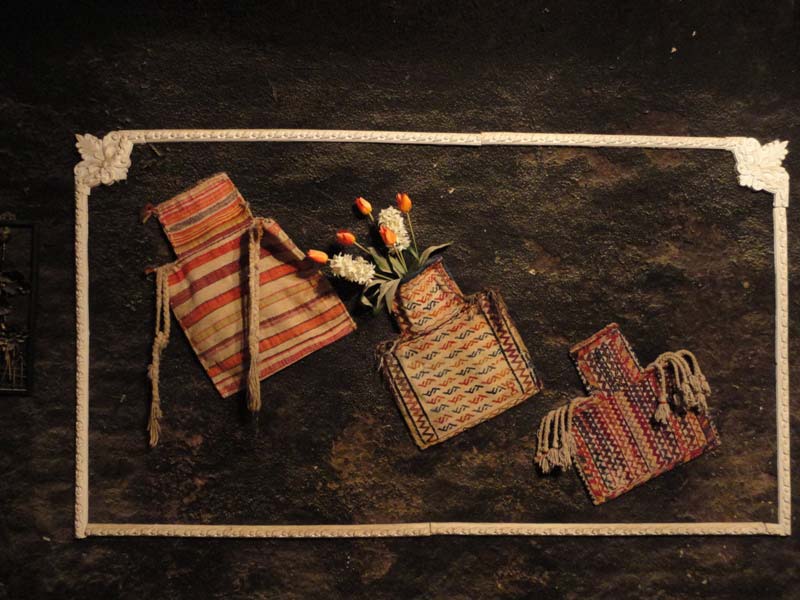
The walls of this kitchen are covered with black soot and woven or knotted bags with different patterns according to the region of origin, allowed to store salt.
http://www.rahgoshaymuseum.com/en/26-sections-eng#sigProGalleria5dd5586821
Dalan Imam Husayn
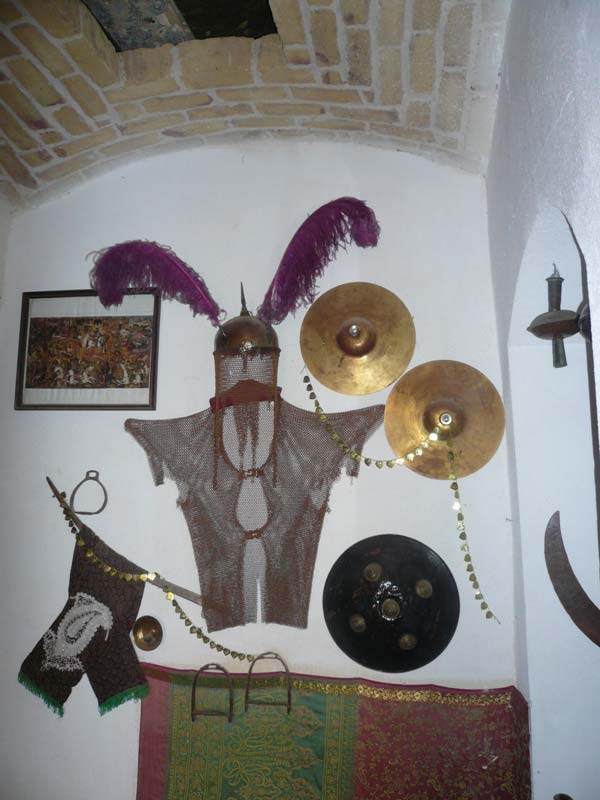
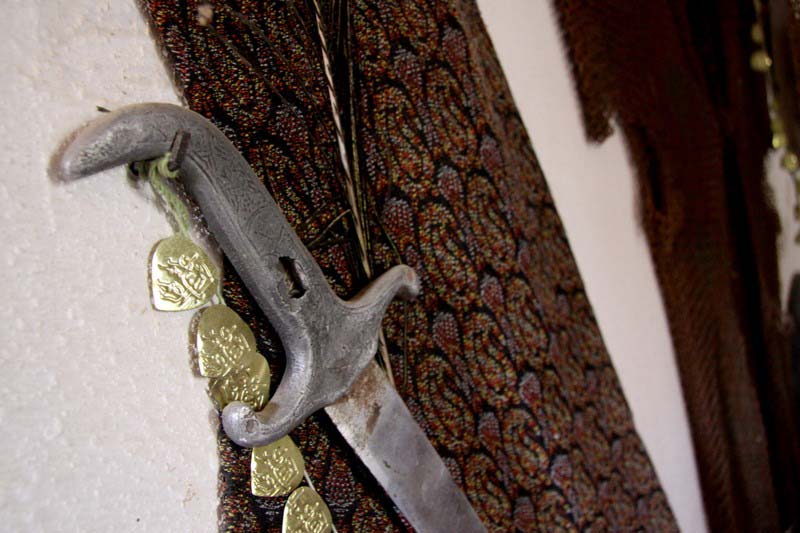
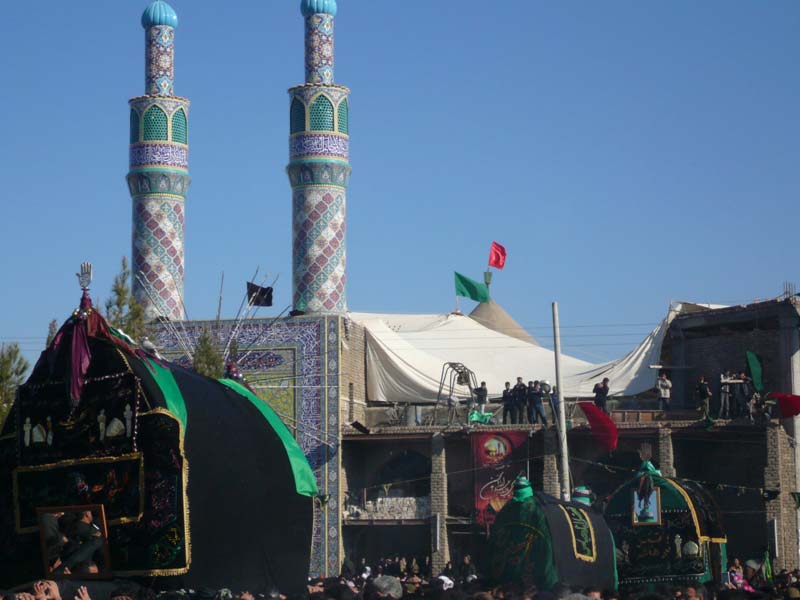
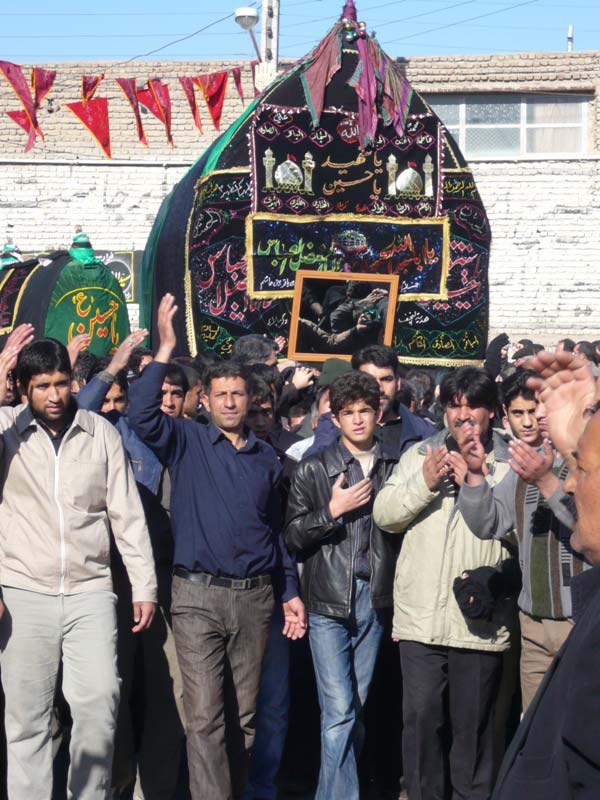
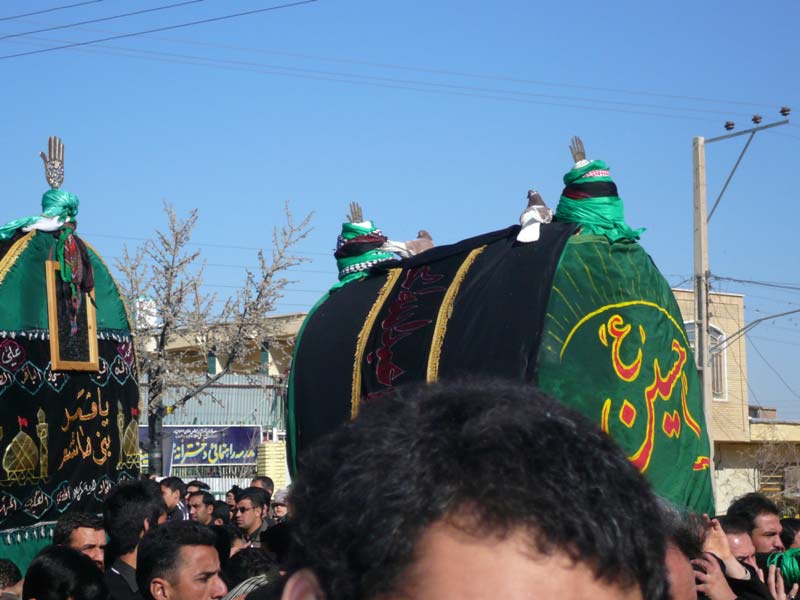
In this corridor connecting the Andaruni to the Biruni, all accessories for the ceremony of Ashura (see Hashti) and especially for the Tazieh are exposed.
Tazieh means Condolence Theater. It is a traditional Persian theatrical genre in which the drama is conveyed wholly or predominantly through music and singing. Tazieh dates before the Islamic era and the tragedy of Saiawush in Shahnameh is one of the best examples.
Tazieh, in essence an expiation ritual, coincided with the emergence of Shiism.It appeared in the reign of Mu'izz ad-Dawla, the king of Buyid dynasty, in 963. As soon as the Safavid Dynasty was established in Persia in 1501 and the Shiism of the Twelvers was adopted as the official sect, the State took interest in theater as a tool of propagating Shiism.
 Title
Title
Title
Title
 Title
Title
Title
Title
 Title
Title
Title
Title
 Title
Title
Title
Title
 Title
Title
Title
Title
 Title
Title
Title
Title
 Title
Title
Title
Title
 Title
Title
Title
Title
 Title
Title
Title
Title
 Title
Title
Title
Title
 Title
Title
Title
Title
 Title
Title
Title
Title
http://www.rahgoshaymuseum.com/en/26-sections-eng#sigProGalleria4b1d26671a
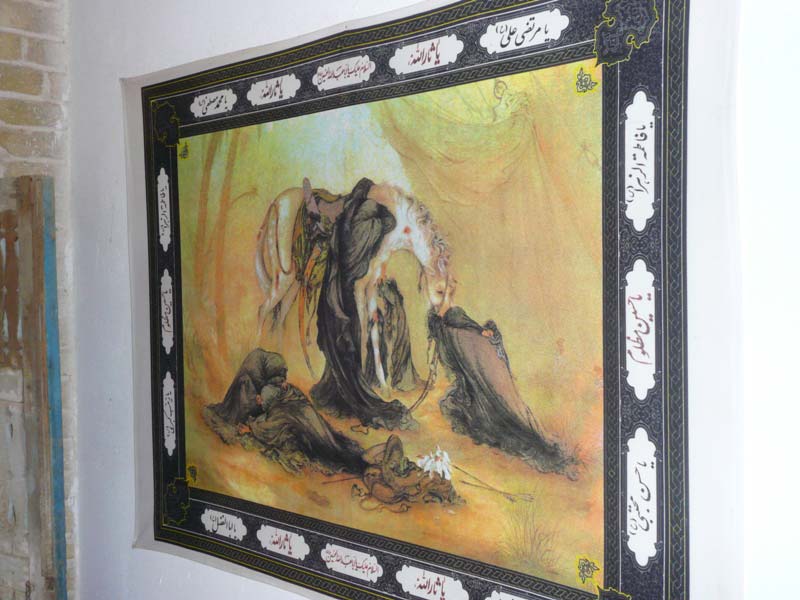
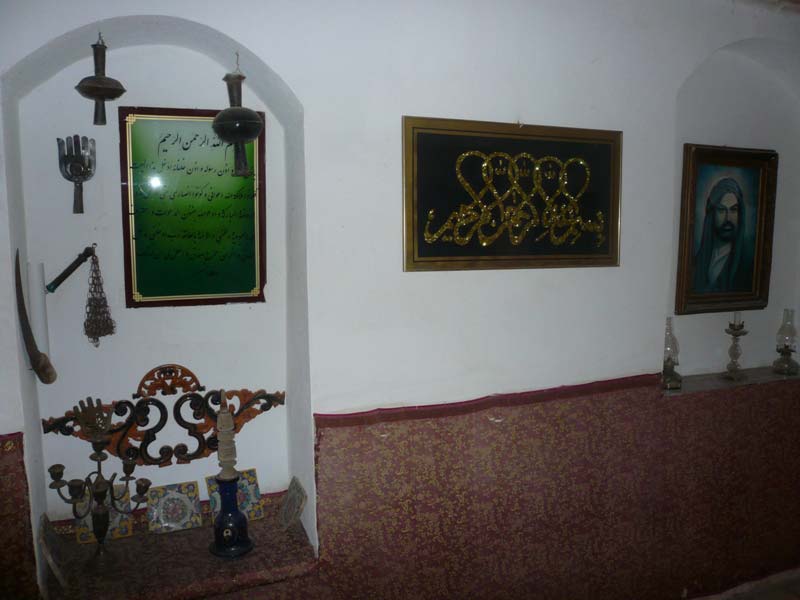
A reproduction of the painting Mahmoud Farshchian "Zor-e Ashura" is the return of the horse of Imam Hossein, without its rider. His sister, Zeynab, understand that his brother has been killed with 72 members of his family and supporters. This picture symbolizes the suffering of the Shia Muslims.
Mahmoud Farshchian is an Iranian painter, master of the miniature whose works are world famous.
- Details
- Category: Museum Sections

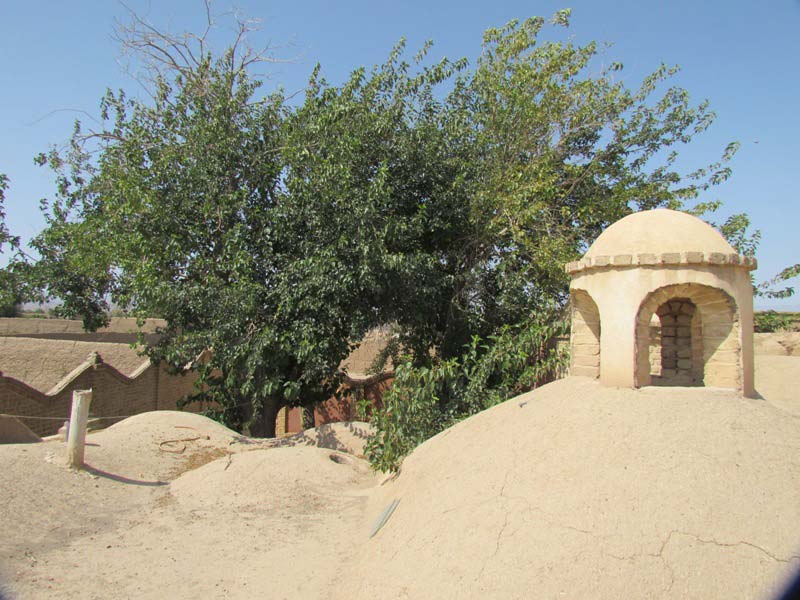
The southern part of the court is the freshest in summer. While descending ten paved steps one arrives in sardab, which formerly was the essential part of stay because of its very pleasant temperature, thanks to Badgir or wind's towers, effective air-conditioning system before the time.
A windcatcher (Persian: بادگیر Bâdgir) is a traditional Persian architectural device used for many centuries to create natural ventilation in buildings. Central Iran has a very large day-night temperature difference, ranging from very cold to extremely hot, and the air tends to be very dry all day long. Most buildings are constructed of very thick walls with extremely high insulation values. Furthermore, towns centered on desert oases tend to be packed very closely together with high walls and ceilings relative to Western architecture, maximizing shade at ground level. The heat of direct sunlight is minimized with small windows that do not face the sun.
The windcatcher is essentially a tall, capped tower with one face open at the top. This open side faces the prevailing wind, thus 'catching' it, and bringing it down the tower into the heart of the building to maintain air flow, thus cooling the interior of the building.Finally, in a windless environment or waterless house, a windcatcher functions as a solar chimney. It creates a pressure gradient which allows less dense hot air to travel upwards and escape out the top.
So effective has been the windcatcher in Persian architecture that it has been routinely used as a refrigerating device (yakhchal) for ages. Many traditional water reservoirs (ab anbars) are built with windcatchers that are capable of storing water at near freezing temperatures for months in summer.
The sardab has been transformed into a Zurkhaneh.
Zurkhaneh, (in Persian: زورخانه, literally "house of strength").The Iranian national sport, called Varzesh-e Pahlavani or Varzesh-e Bastani, is practiced in Zurkhane. Varzesh-e Bastani combines elements of the pre-Islamic Iranian culture with the spirituality of Sufism. It places emphasis on spiritual and moral purity, participants being expected to be truthful, and good tempered and only then strong in body.
The Zurkhaneh itself is an octagonal pit about 1m deep with a floor of clay soil in which athletes train for Pahlevan. In contrast to gymnastics practiced in the West, the exercises consist of team sports that combine tests of physical strength and flexibility, specific rituals, and respect for traditional moral and ethical rules. The game of Pahlevan changes to keep pace with the sound of a drum played by the morshed or guide, who is typically seated in an elevated position within the hall.
The Zurkhaneh is more than just a place dedicated to physical exercise. The zurkhaneh and Varzesh-e Pahlavani have their roots in pre-Islamic Iranian culture. After the Arab conquest, its practice became illegal for a time, and was seen as representing a form of cultural resistance. Over time, however, the pastime adapted to fit in with Islamic culture. In addition, certain moral qualities and values came to be associated with pahlevans such as courage, selflessness and above all faith and absolute loyalty to the Prophet and the Imams.
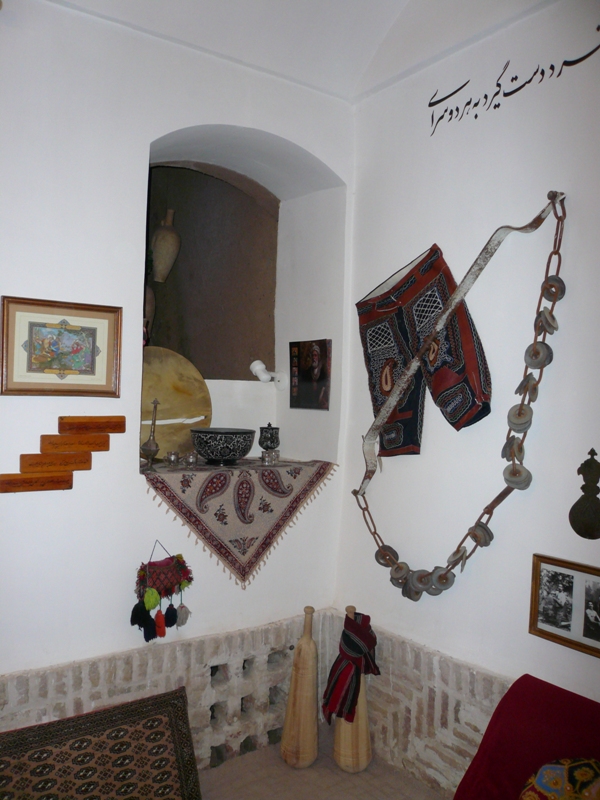
The Varzesh-e Bastani rituals mimic the rituals and traditions of Sufi orders, as evidenced by terminology like murshed "master" (beating the drum and reciting poetry). The ethics involved are also similar to Sufi ideals, emphasizing purity of heart. Every session begins with pious praise of Prophet and his family. In less religion-oriented Zurkhanehs, these elements are replaced by the recital of stories from Iranian mythology, such as those of the Shahnameh.The main part of a Varzesh-e Bastani session is dedicated to gymnastics notably using a pair of wooden clubs (mil) and metal shields (sang), and bow-shaped iron weights (kabadeh).
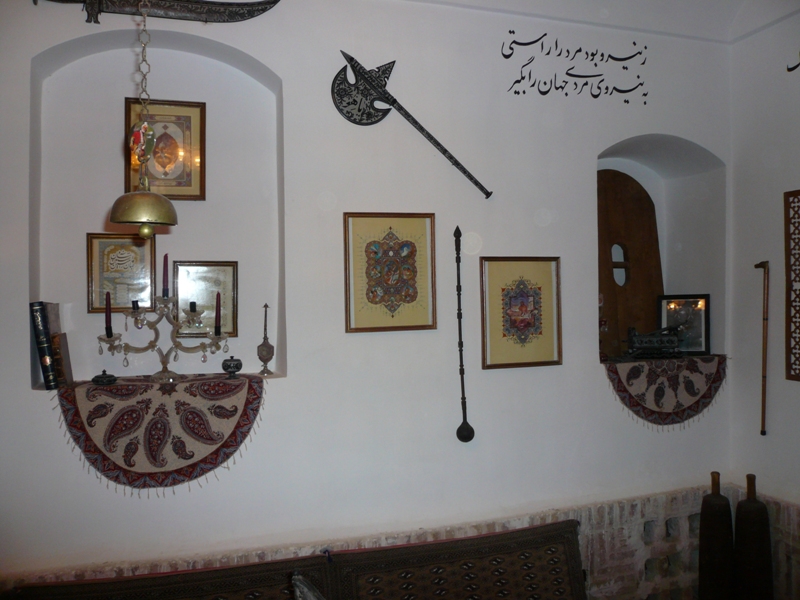
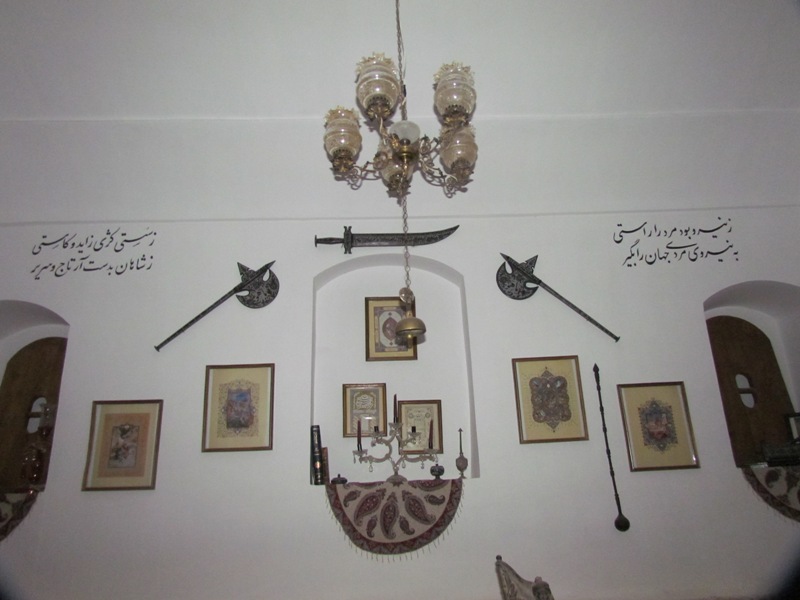
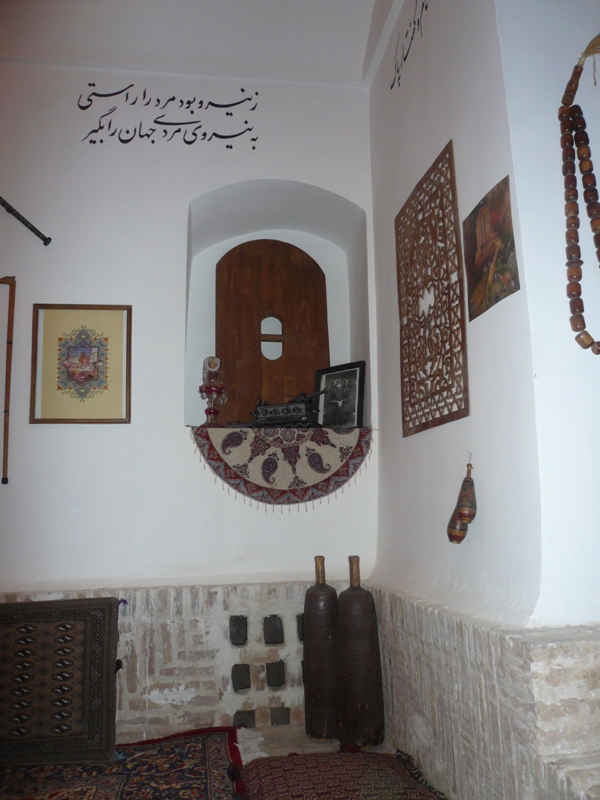
In the sardab of the house we have a complete collection of all these instruments as well as bermuda shorts, appropriate traditional outfit. The pictures on the wall represent epic scenes of the Shahnameh " the Book of the Kings" of Ferdowsi, whose certain specimens are exposed.
Calligraphies on the wall extracted from this Shahnameh contain the words : Rahgoshay and Bad !
The black and white stone parts like the samovar, the brazier, the various cuts or boxes, the sabres and the tabarzin of the dervish come from workshops of craftsmen and stone engravers of Mashhad.
-
Title
Title
-
Title
Title
-
Title
Title
-
Title
Title
-
Title
Title
-
Title
Title
-
Title
Title
-
Title
Title
-
Title
Title
-
Title
Title
-
Title
Title
-
Title
Title
-
Title
Title
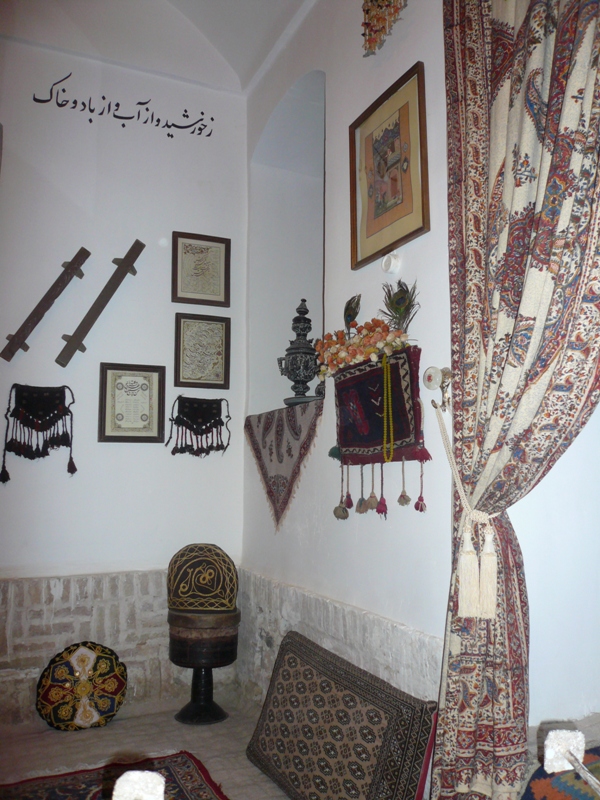
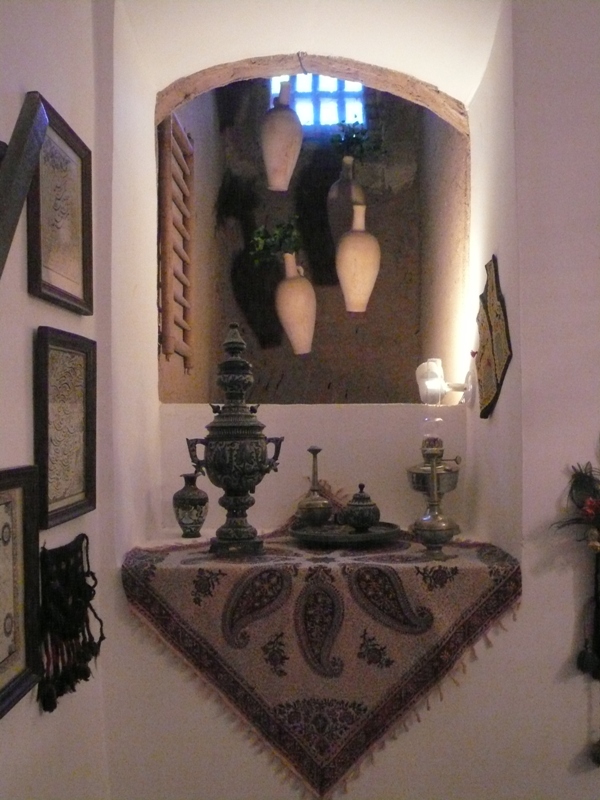
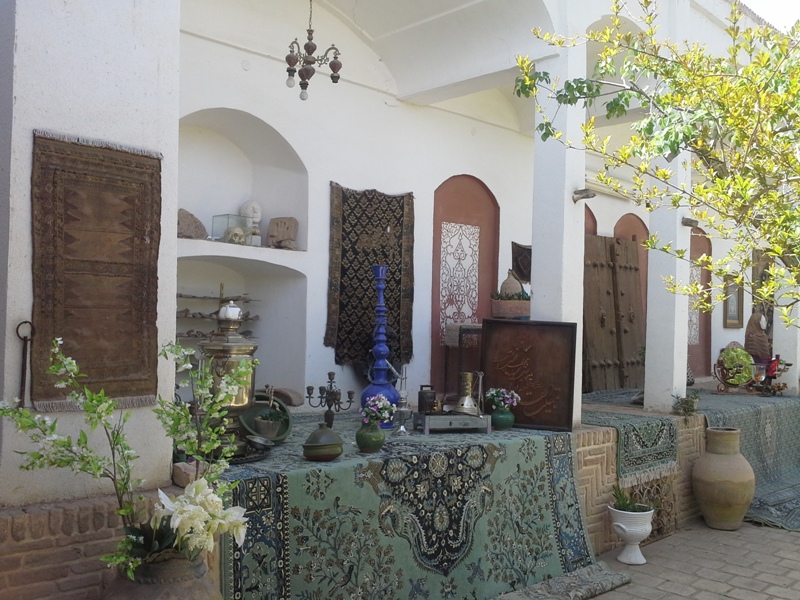
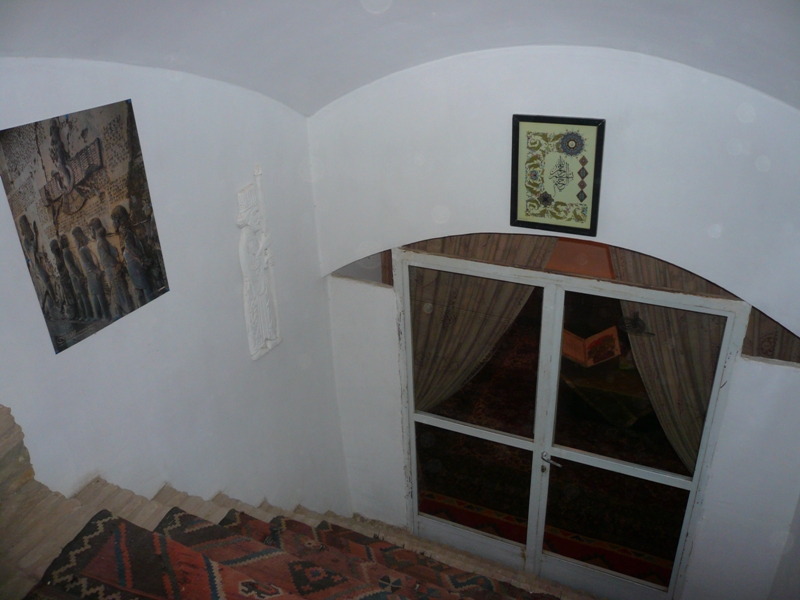


http://www.rahgoshaymuseum.com/en/26-sections-eng#sigProGalleria9b53421900
BAHARKHAB
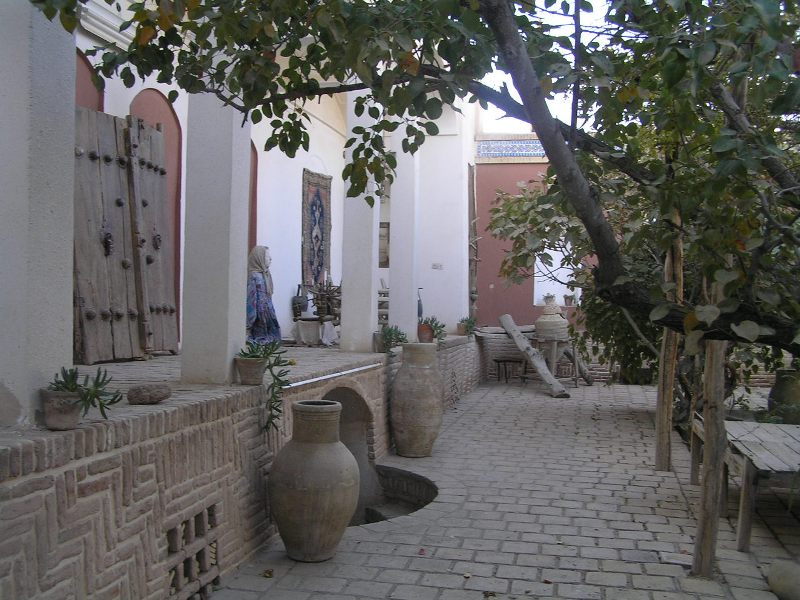
The rooms located above the sardab in front of a terrace with pillars are called Baharkhob.
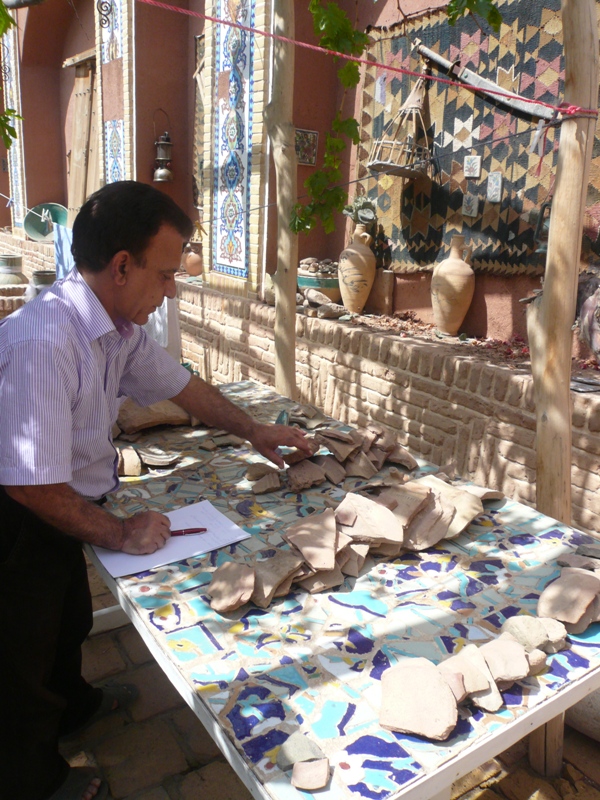
A collection of vestiges of pottery of the area, with or without enamel, was classified and dated by an eminent Iranian archaeologist, Dr. Abdolhamid Rezaie as well as an approximately 2000 years old cranium of an young girl (approximately 20 years old) with all the characteristics of the Aryan race.

http://www.rahgoshaymuseum.com/en/26-sections-eng#sigProGalleria37ad30dafa
- Details
- Category: Museum Sections
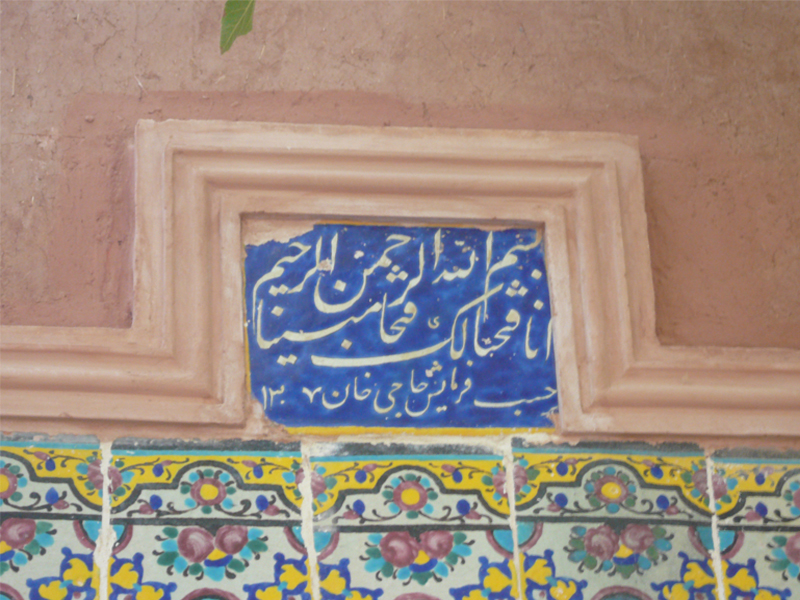
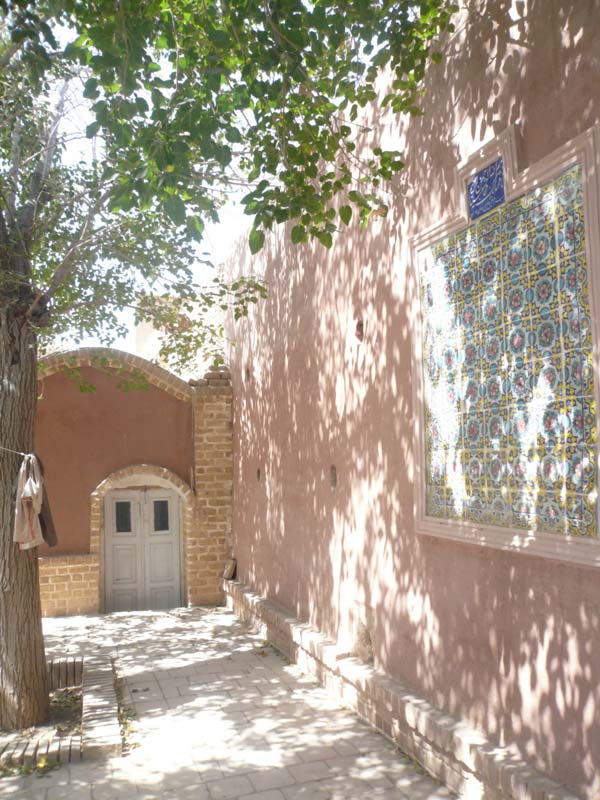
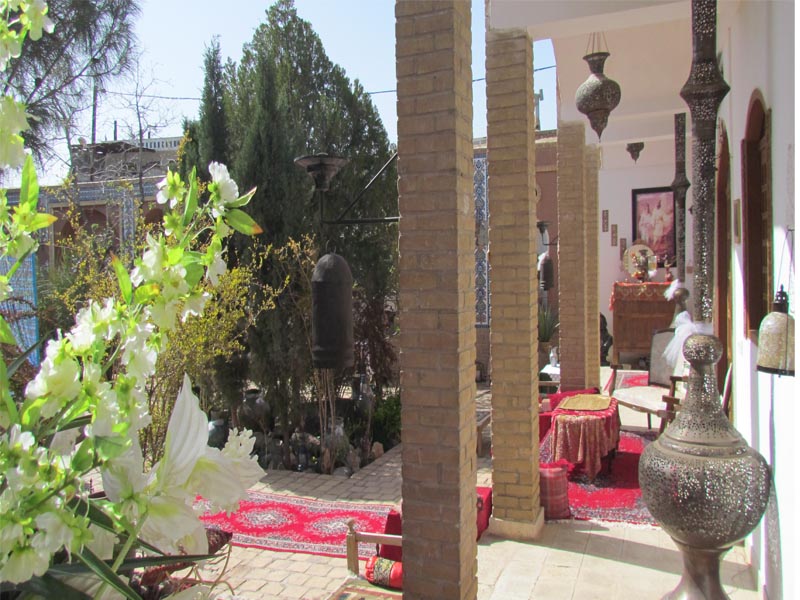
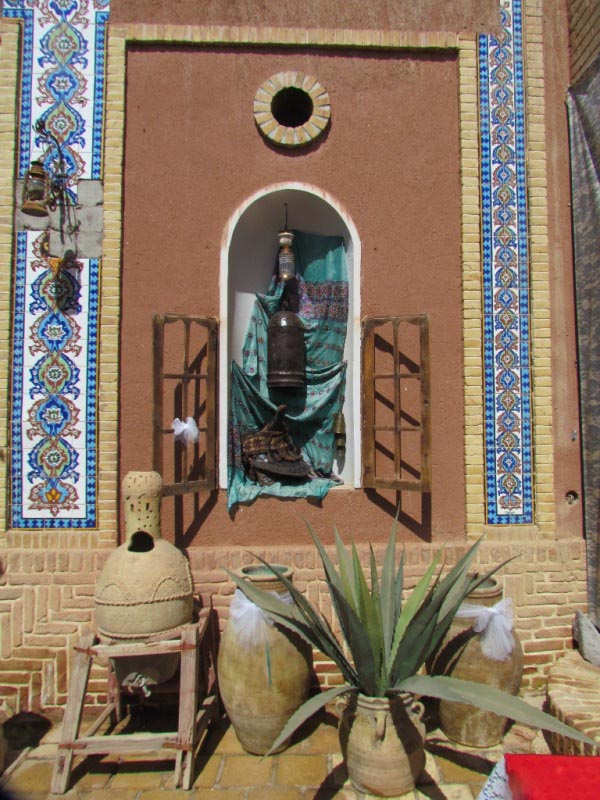
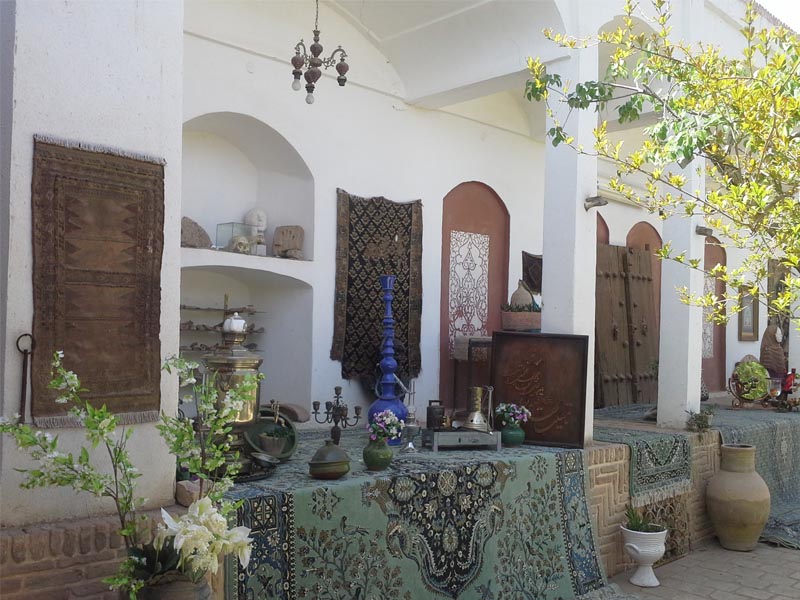
ANDARUNI or HAYAT GHERMEZ – GHAJAR GALLERY
Hayat Ghermez
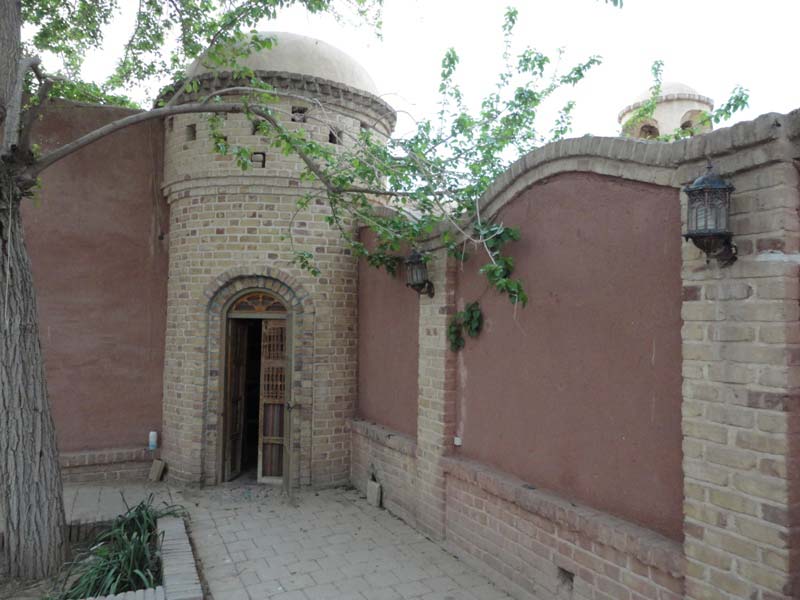
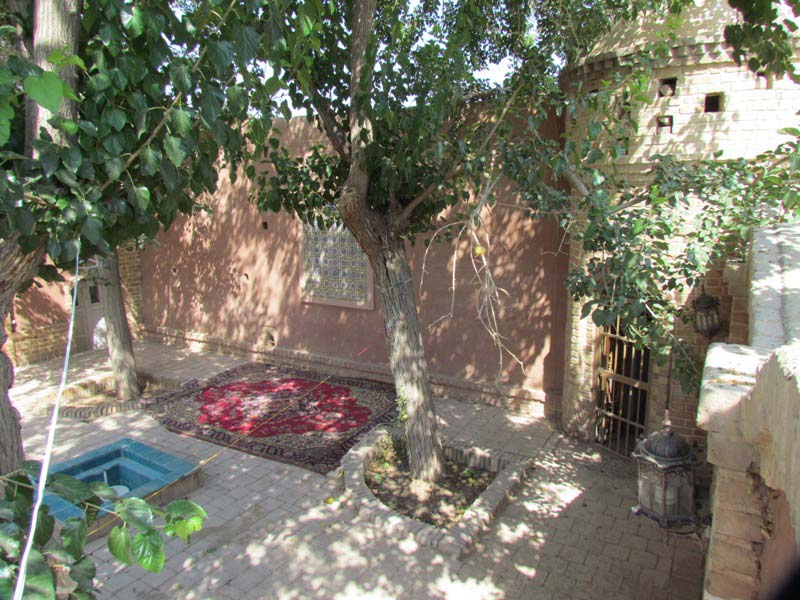
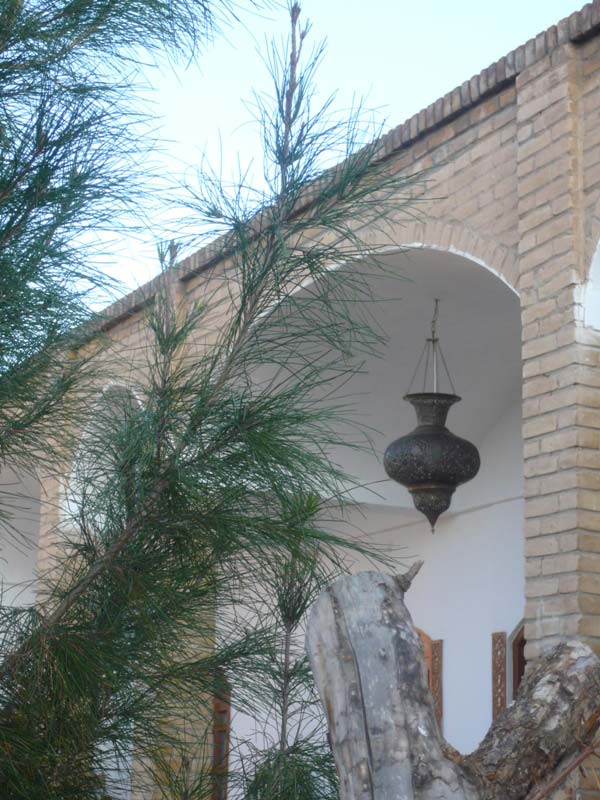
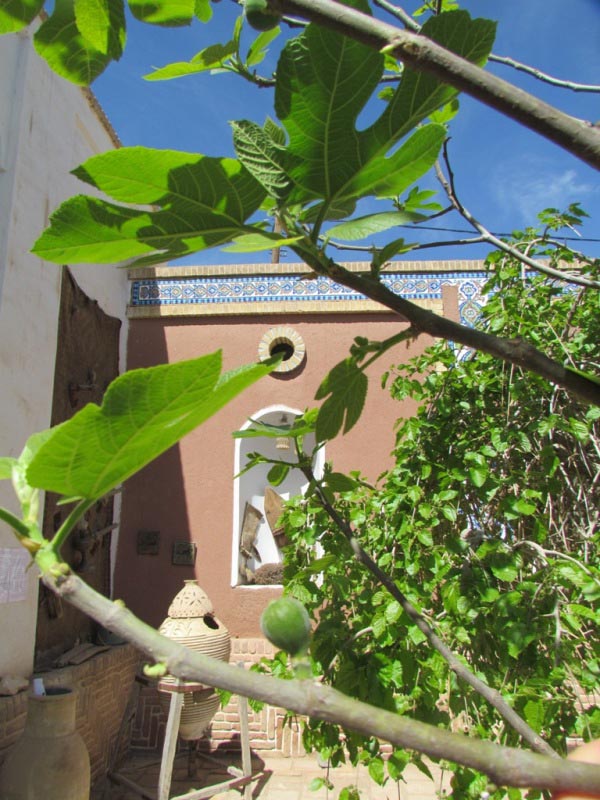
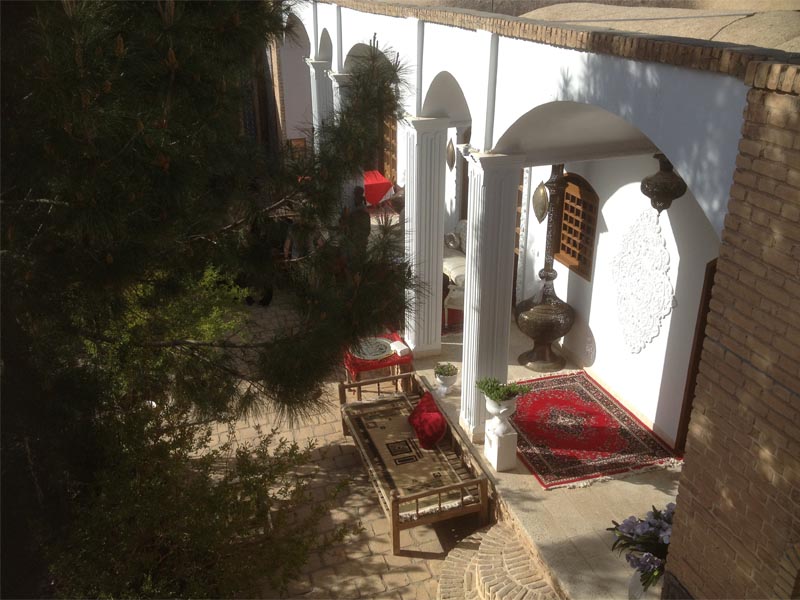
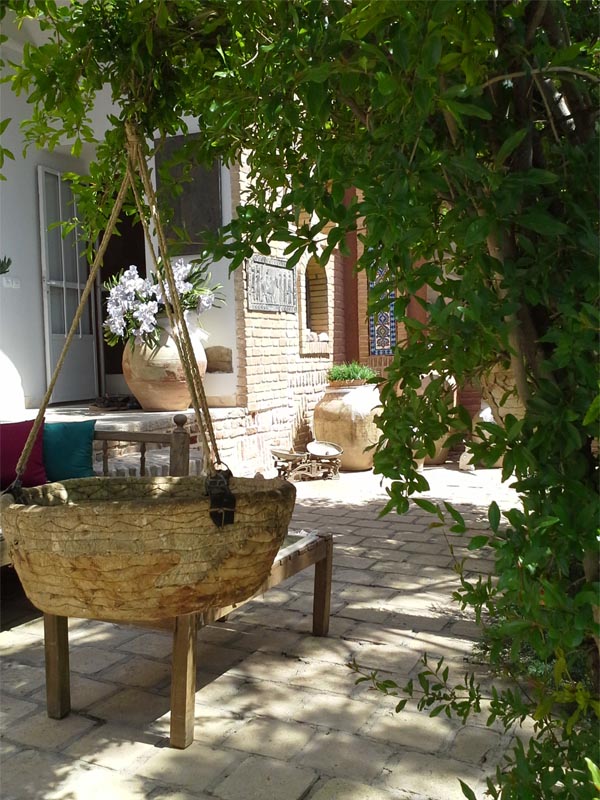
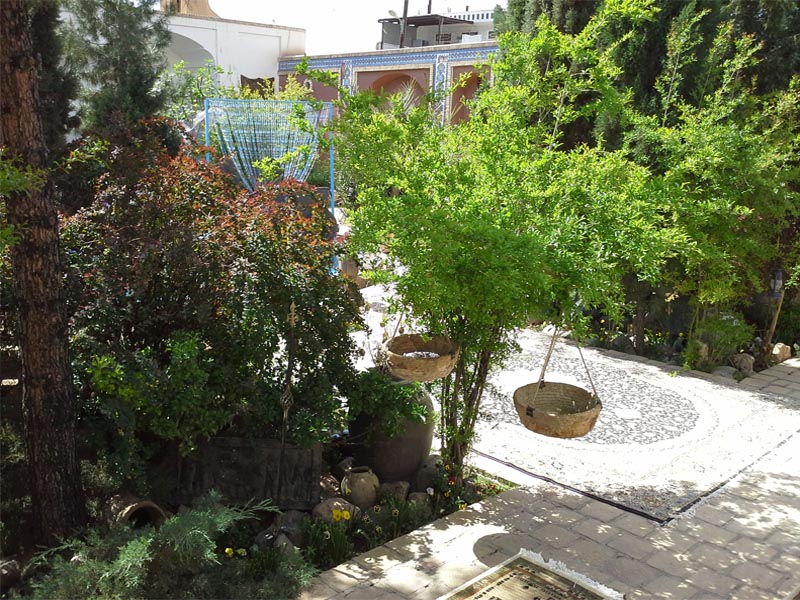
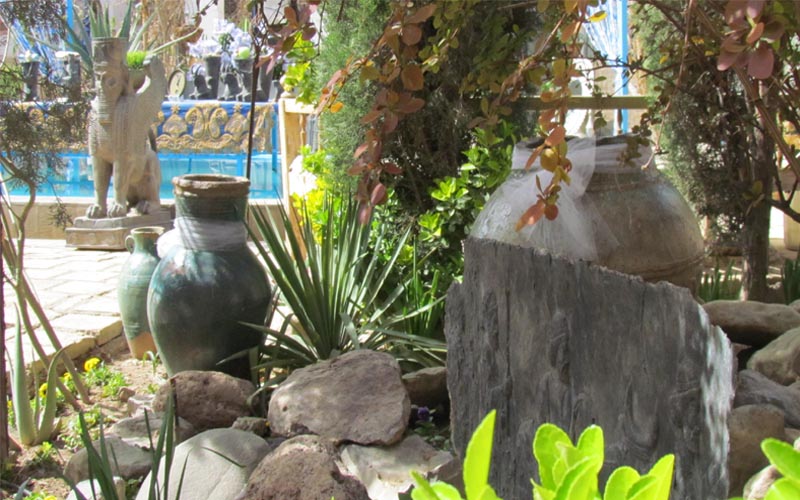
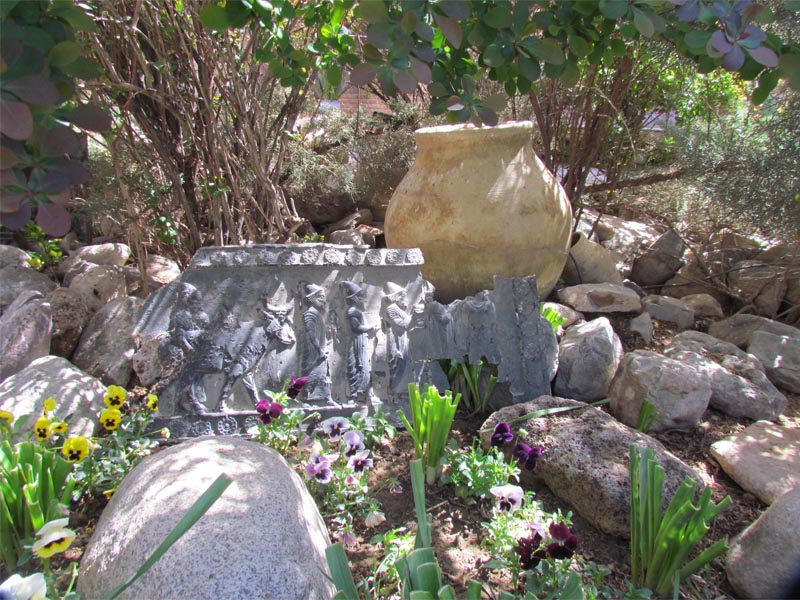
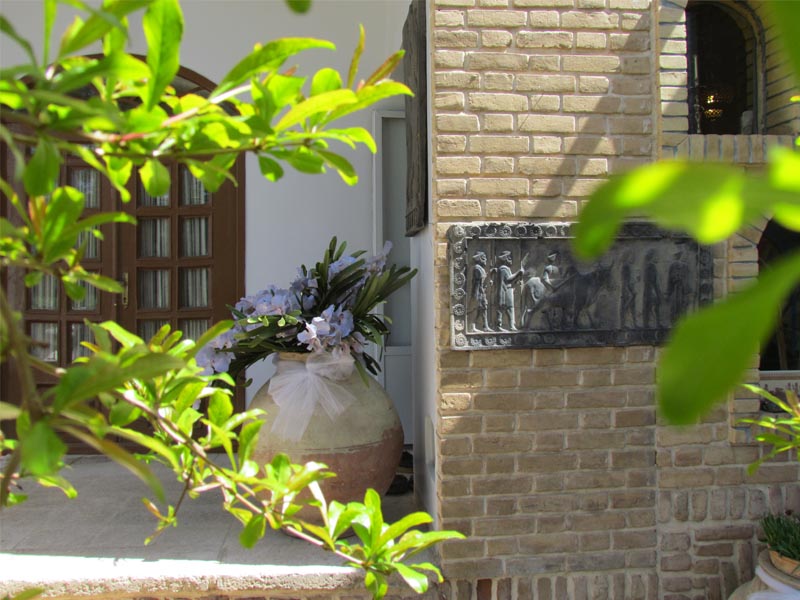
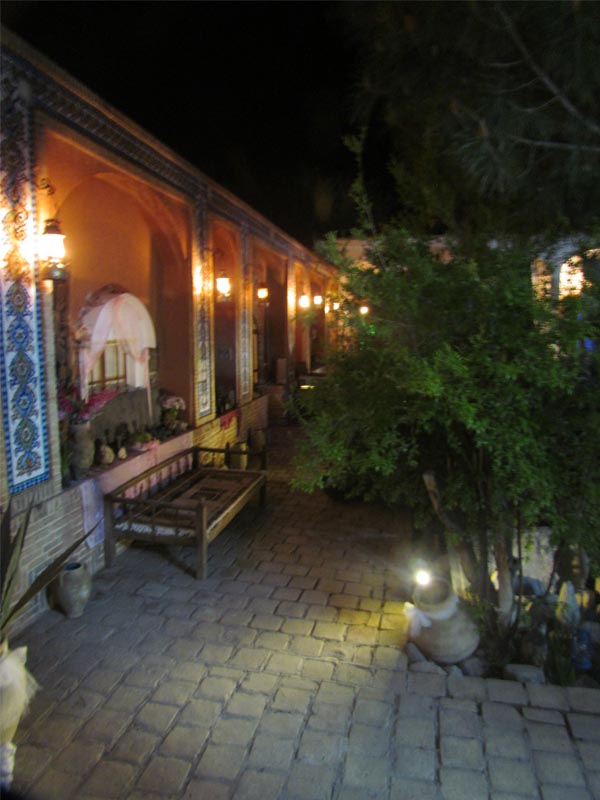
The walls of this inner private courtyard are covered with red mud from the nearby mountain village of Abyaneh.
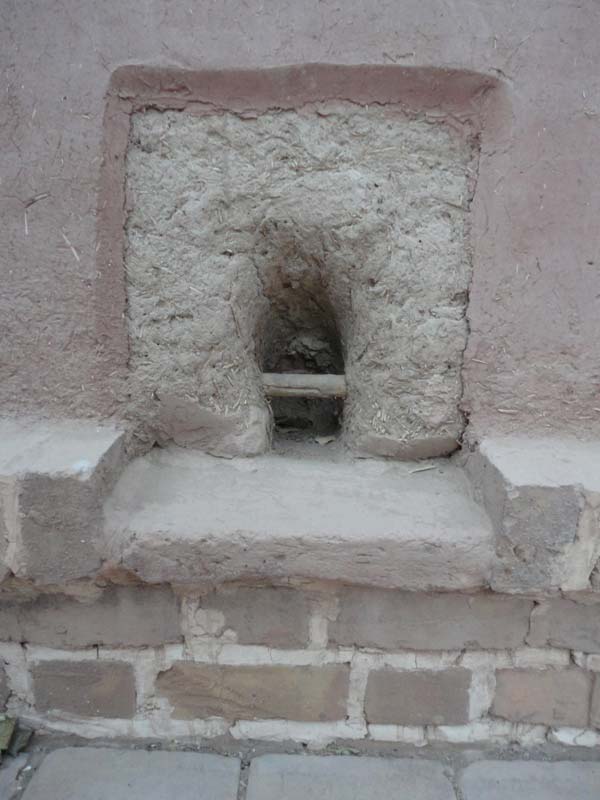
Indeed, the walls of the courtyard are built of dried mud bricks ,assembled by a mortar composed of water, straw and red earth. due to iron oxide or hematite.
A wooden bar is embedded into the highest wall to attach horses and donkeys.
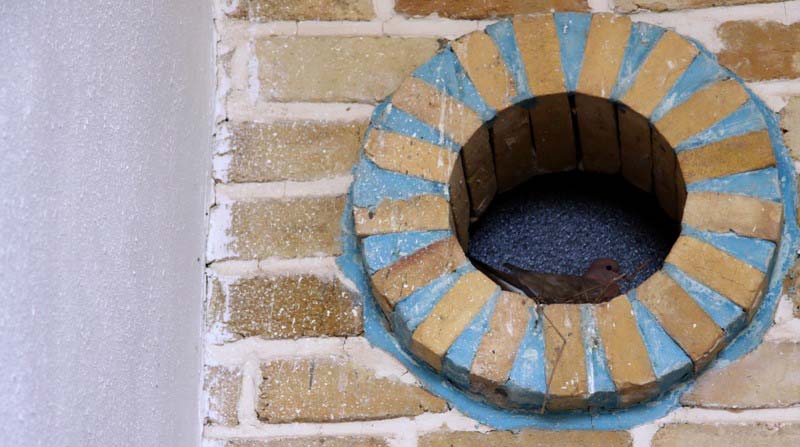
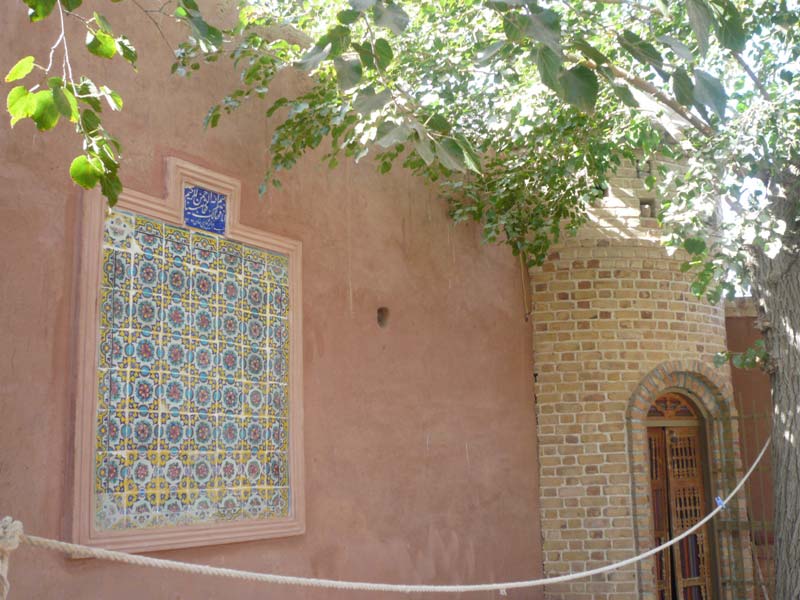
A dovecote intended to house pigeons or doves is built in the cylindrical tower with a dome of bricks.A window or skylight is the only opening.
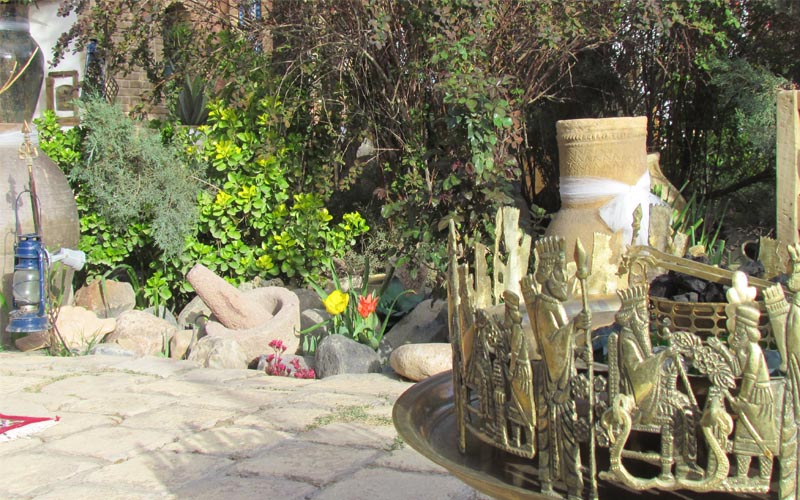
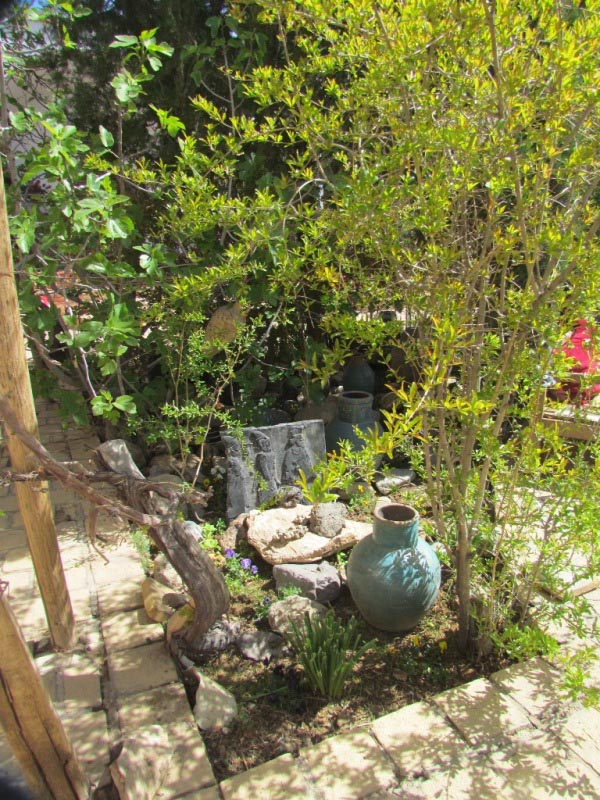
The court consists of four small gardens with mulberry trees providing shade and coolness around a small pond with blue lapis lazuli tiles.
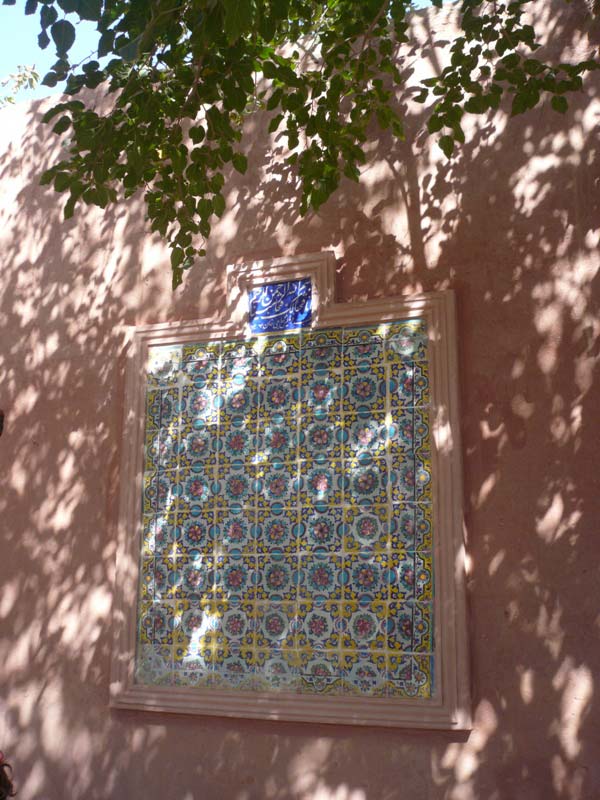
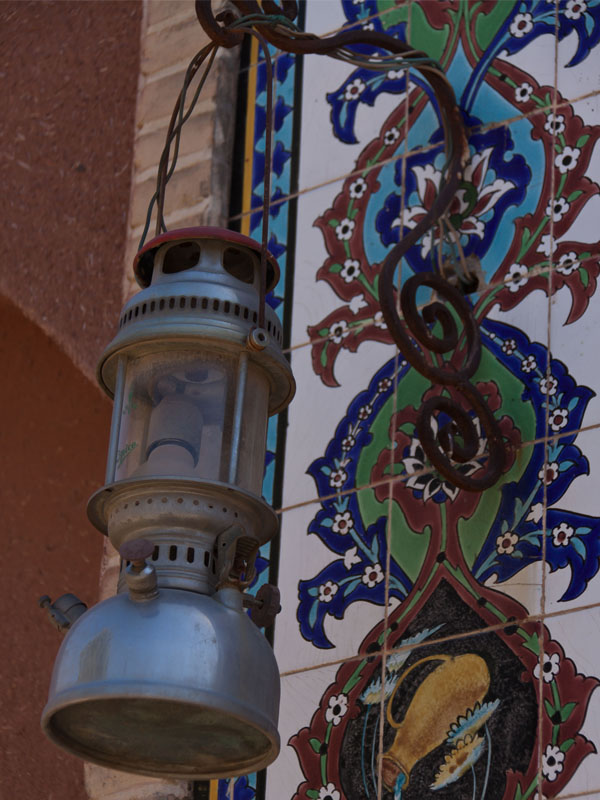
On the same wall framed tiles from the end of the Qhajar's period look like a real solidified nature , a framed mosaic of interlaced arabesques interspersed with flowers.
-
Title
Title
-
Title
Title
-
Title
Title
-
Title
Title
-
Title
Title
-
Title
Title
-
Title
Title
-
Title
Title
-
Title
Title
-
Title
Title
-
Title
Title
-
Title
Title
-
Title
Title
-
Title
Title
-
Title
Title
-
Title
Title
-
Title
Title
-
Title
Title
-
Title
Title
-
Title
Title
-
Title
Title
-
Title
Title
-
Title
Title
-
Title
Title
-
Title
Title
-
Title
Title
-
Title
Title
-
Title
Title
-
Title
Title
-
Title
Title






http://www.rahgoshaymuseum.com/en/26-sections-eng#sigProGalleria9e1fcb8bc4
Ghajar Gallery
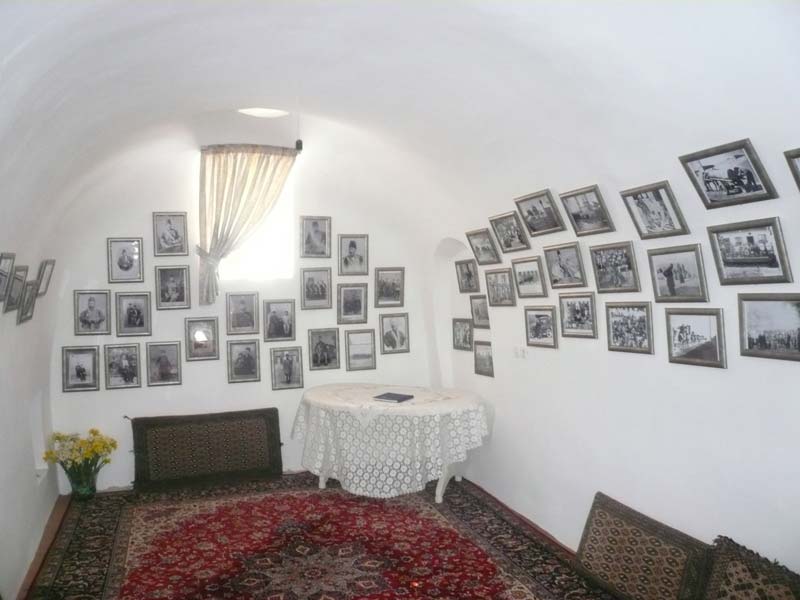
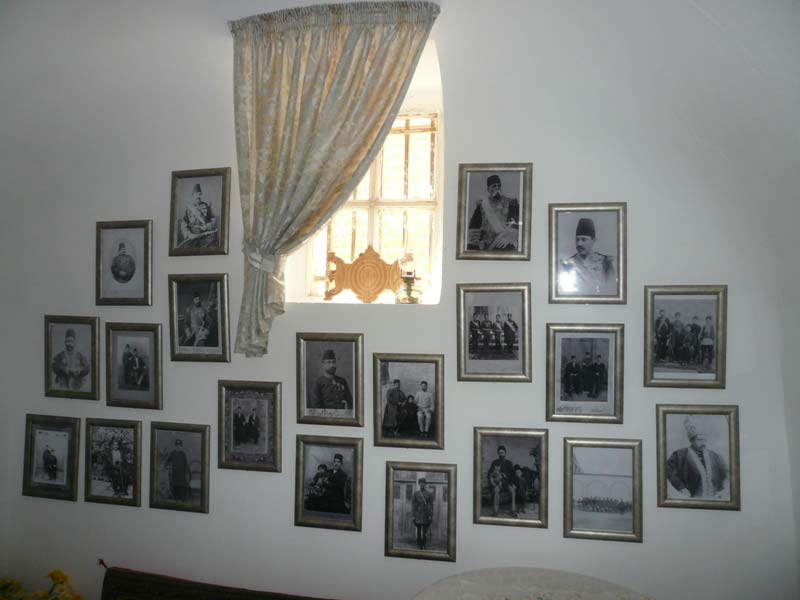
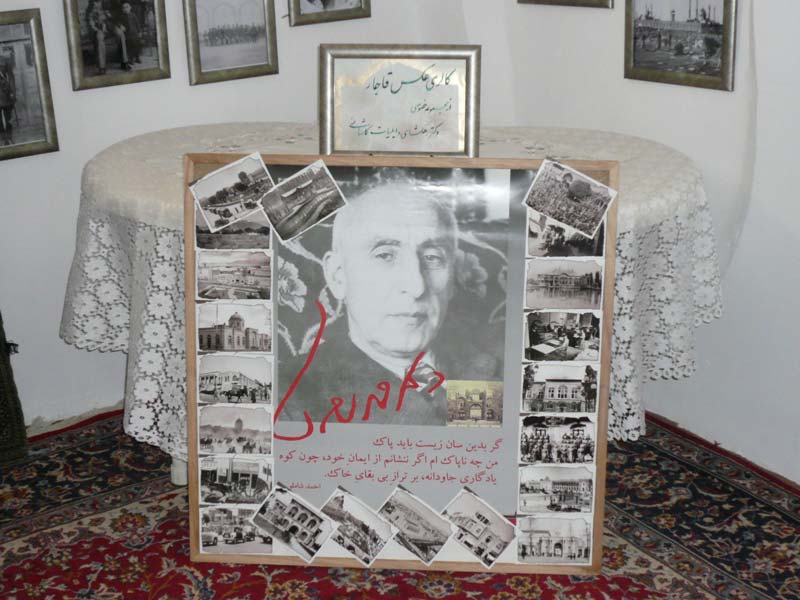
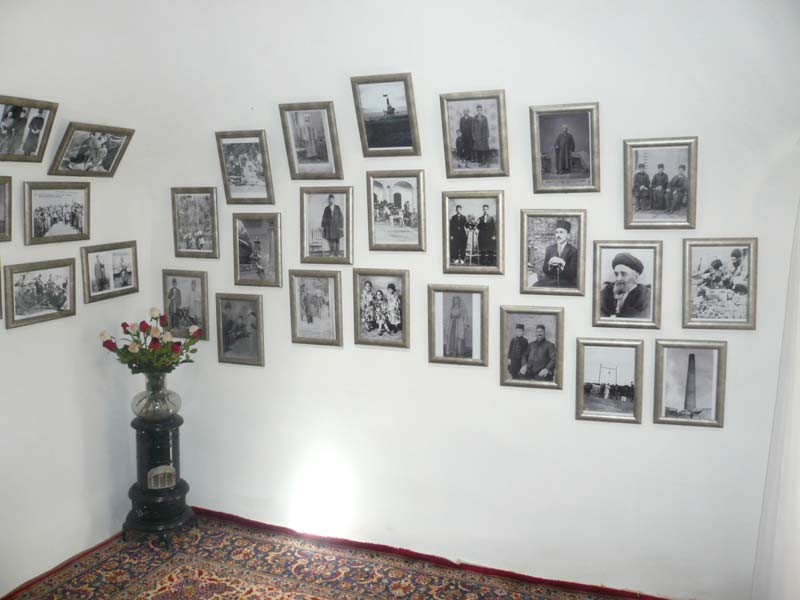
The room overlooking the courtyard has been transformed into a Ghajar Gallery.
The Qajar dynasty is an Iranian royal family who ruled Persia (Iran) from 1785 to 1925
During Nasser-e-Din Shah's reign, Western science, technology, and educational methods were introduced into Persia and the country's modernization was begun. Nasser ed-Din Shah tried to exploit the mutual distrust between Great Britain and Russia to preserve Persia's independence, but foreign interference and territorial encroachment increased under his rule.
The Persian Constitutional Revolution took place between 1905 and 1907. The revolution led to the establishment of a parliament in Persia (Iran) and it was the first event of its kind in Asia. The system of constitutional monarchy created by the decree of Mozzafar-al-Din Shah that was established in Persia as a result of the Revolution ultimately came to an end in 1925 with the dissolution of the Qajar dynasty and the ascension of Reza Shah Pahlavi to the throne.
A figure of the Qhajar dynasty, Amir Kabir, is well known in the region of Badrood.
Amir Kabir (1807 1852) امیرکبیر), also known as Mirza Taghi Khan Amir- was chief minister to Naser al-Din Shah Qajar (Shah of Persia) for the first three years of his reign and one of the most capable and innovative figures to appear in the whole Qajar period. Amir Kabir served as Prime Minister of Persia (Iran) under Naser al-Din Shah.
He is considered by some to be "widely respected by liberal nationalist Iranians" as "Iran's first reformer", a modernizer who was "unjustly struck down" attempted to bring "gradual reform" to Iran.
Mirza Taghi Khan Amir Kabir, was largely responsible for ensuring the crown prince's succession to the throne. When Nasser ed-Din succeeded to the throne, Amir Nezam was awarded the position of prime minister and the title of Amir Kabir, the Great Ruler.
At that time, Persia was nearly bankrupt. During the next two and a half years Amir Kabir initiated important reforms in virtually all sectors of society. Government expenditure was slashed and a distinction was made between the private and public purses. The instruments of central administration were overhauled and Amir Kabir assumed responsibility for all areas of the bureaucracy. Foreign interference in Persia's domestic affairs was curtailed, and foreign trade was encouraged. Public works such as the bazaar in Tehran were undertaken.
One of the greatest achievements of Amir Kabir was the building of Dar ul-Funun, the first modern university in Persia and the Middle East. Dar-ol-Fonoon was established for training a new cadre of administrators and acquainting them with Western techniques. He hired French and Russian instructors as well as Persians to teach subjects as different as Language, Medicine, Law, Geography, History, Economics, and Engineering. Unfortunately, Amir Kabir did not live long enough to see his greatest monument completed.
These reforms antagonized various notables who had been excluded from the government. They regarded Amir Kabir as a social upstart and a threat to their interests, and they formed a coalition against him, in which the queen mother was active. She convinced the young shah that Amir Kabir wanted to usurp the throne. In October 1851 the shah dismissed him and exiled him to Kashan, where he was murdered on the shah's orders in the bathroom of Bagh-e Fin in Kashan, fourty kilometers far from Badrood. Through his marriage to Ezzat od-Doleh, Amir Kabir had been the brother-in-law of the shah.
Are exposed in this gallery more than a hundred portraits of the rulers of the Ghajar dynasty, women and children as well as scenes of military ,religious and everyday life.
A collection of correspondences of Amir Kabir exposed in this gallery attests of its spirit of reformer.
http://www.rahgoshaymuseum.com/en/26-sections-eng#sigProGalleria506ed6764e